How Far Should a Charcoal Grill Be from Your House: Safe Placement and Key Guidelines
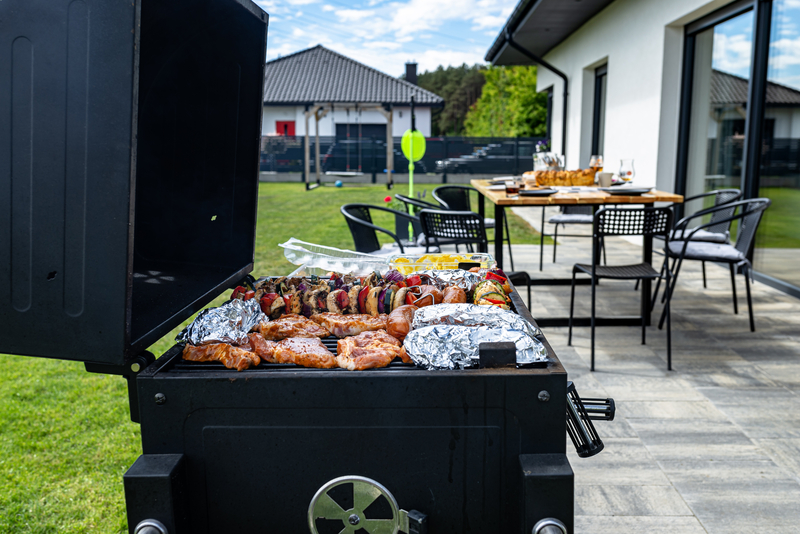
Grilling with charcoal adds great flavor to food, but placing your grill too close to your house creates serious fire hazards. Knowing the proper distance protects your home and keeps your family safe during cookouts.
Charcoal grills should be placed at least 10 feet away from your house and any other structures or flammable materials.
This distance gives enough space to prevent heat damage, flying sparks, and potential fires from reaching your home. Some situations may require even more distance depending on wind conditions and nearby objects.
Understanding safe grill placement involves more than just measuring distance. You need to consider ventilation, local rules, and the specific features of your outdoor space. This guide covers the safety standards you should follow and the practical factors that affect where you position your charcoal grill.
The Critical Importance of Charcoal Grill Placement
Proper grill placement protects your home from fire risks, prevents structural damage, and ensures adequate ventilation to avoid dangerous smoke buildup and carbon monoxide exposure.
Understanding Fire Hazards Near Your Home
Charcoal grills produce intense heat that can reach temperatures between 700-900°F at the cooking surface. This extreme heat radiates outward and upward, creating a fire risk zone that extends several feet in all directions. Wood siding, vinyl, overhanging eaves, and nearby vegetation can ignite when exposed to this heat, even without direct flame contact.
Wind carries hot embers from charcoal grills up to 20 feet away from the unit. These airborne sparks can land on dry grass, wooden decks, or roofing materials and start fires minutes after landing. Your grill also poses risks during the entire burn cycle, which continues for hours after you finish cooking as coals slowly cool down.
Windows and doorways near your grill create additional hazards. Heat can crack glass, while sparks can enter your home through open doors or screens.
Why Distance and Airflow Matter
You need at least 10 feet of clearance between your charcoal grill and any combustible surfaces or structures. This distance allows heat to dissipate safely before reaching walls, railings, or outdoor furniture. The 10-foot rule also provides enough space for proper air circulation around the grill.
Carbon monoxide builds up quickly in enclosed or partially covered spaces. Charcoal produces this odorless, deadly gas throughout the entire burning process, not just while cooking. You must position your grill in an open area where wind and natural air movement can carry fumes away from your home’s windows and doors.
Adequate spacing around your grill also gives you room to move safely while cooking. You need clear pathways to avoid tripping hazards and space to set down hot tools or food.
Potential Property Damage from Improper Distance
Heat damage from grills placed too close to structures causes expensive repairs that insurance often doesn’t cover. Melted vinyl siding costs $3-8 per square foot to replace, while heat-warped wood siding runs $5-12 per square foot. Deck boards damaged by heat require replacement of entire sections, not just individual planks.
Smoke stains on exterior walls, eaves, and ceilings are difficult or impossible to remove completely. These stains reduce your home’s curb appeal and can lower property value during resale. Soot buildup also penetrates porous materials like brick and stucco, creating permanent discoloration.
Radiant heat damages more than visible surfaces. It warps window frames, cracks glass panes, and degrades caulking and weatherstripping around doors. This hidden damage compromises your home’s energy efficiency and allows water infiltration that leads to mold growth and wood rot.
Safe Distance Guidelines for Charcoal Grills
You need to maintain at least 10 feet between your charcoal grill and your house to reduce fire risk and smoke damage. This distance helps protect your home from heat, flames, and flying embers that charcoal grills produce.
The 10-Foot Rule Explained
The 10-foot rule is the standard safety guideline for charcoal grill placement. This minimum distance applies to the space between your grill and any part of your house, including walls, doors, and windows.
Charcoal grills reach high temperatures and produce embers that can travel several feet from the cooking area. The 10-foot buffer zone gives you enough space to prevent these embers from landing on combustible surfaces. This distance also keeps heat from damaging siding, melting vinyl, or cracking windows.
You should measure the 10 feet from the edge of your grill to the nearest point of your house structure. This includes overhangs, eaves, and attached decks. The rule applies regardless of your grill’s size.
Manufacturer and Building Code Recommendations
Your grill’s manufacturer may specify distances that differ from the general 10-foot rule. You need to check your owner’s manual for exact clearance requirements specific to your model.
Local building codes and fire regulations often set minimum distances for grills. These codes can vary by city, county, or state. Some areas require 15 feet or more from structures, while others may allow closer placement with specific safety measures in place.
Your homeowner’s insurance policy may also include requirements for grill placement. Contact your insurance provider to confirm you meet their standards. Failing to follow these guidelines could affect your coverage if a fire occurs.
Factors That Can Affect the Minimum Distance
Wind conditions in your area can increase the safe distance you need. Strong or unpredictable winds can carry embers farther than normal, requiring you to place your grill 15 feet or more from your house.
The type of materials on your home’s exterior matters. Vinyl siding, wood shingles, and other combustible materials need more clearance than brick or stone. You should add extra distance if your home has materials that ignite easily.
Your grill’s size and heat output change the safe distance requirements. Larger grills with multiple burners or cooking surfaces produce more heat and require greater clearance. The presence of nearby trees, fences, or other structures also affects placement. You must keep your grill at least 10 feet from these objects too.
Key Factors in Determining Grill Location
Proper grill placement requires evaluating your property’s physical features, proximity to structures, and environmental conditions. These factors work together to establish a safe grilling zone that protects your home and property.
Surrounding Structures and Combustible Materials
You must maintain a minimum distance of 10 feet between your charcoal grill and any structure. This includes your house, garage, shed, and detached buildings. Combustible materials pose fire risks when exposed to the high heat and sparks produced by charcoal grills.
Your grill should stay 10 feet away from all combustible surfaces. Wooden decks, vinyl siding, and similar materials can ignite from radiant heat or flying embers. Place your grill on a non-combustible surface such as concrete, brick, or stone pavers.
Keep your grill away from recreational vehicles, stored fuel containers, and outdoor furniture. Combustible items stored near your grilling area create unnecessary fire hazards. Clear a 10-foot radius around your intended grill location before each use.
Overhangs, Fences, and Landscaping Considerations
Maintain 10 feet of clearance between your grill and any overhead structures. Roof overhangs, awnings, and pergolas can trap heat and ignite from sparks. Covered patios and porches do not provide adequate ventilation for charcoal grilling.
Fences require the same 10-foot separation as other structures. Wood fences are particularly vulnerable to heat damage and ignition. Vinyl and composite fencing materials can melt or warp when exposed to grill heat.
Keep your grill 15 feet from trees, shrubs, and dry vegetation. Overhanging branches can catch fire from rising sparks and embers. Remove dead leaves, dried grass, and other flammable debris from your grilling area before cooking.
Wind Direction and Environmental Influences
Position your grill downwind from your house to prevent smoke and sparks from blowing toward the structure. Wind direction affects where embers travel and how smoke disperses. Check prevailing wind patterns in your yard before selecting a permanent grill location.
Avoid grilling during high wind conditions. Strong winds can blow sparks considerable distances and increase fire risk. Wind can also affect temperature control and cooking performance on your charcoal grill.
Place your grill in an open area with adequate airflow. Good ventilation prevents carbon monoxide buildup and allows heat to dissipate safely. Never grill in enclosed spaces or areas with poor air circulation.
Best Practices for Charcoal Grilling Safety
Keeping your grill 10 feet from the house is just the start of safe charcoal grilling. You also need to follow proper setup procedures, maintain good airflow, and keep fire safety tools within reach.
Grilling Safety Tips for Homeowners
Never leave your charcoal grill unattended while lit. This is the most important rule for preventing accidents and fires.
Place your grill on a stable, non-combustible surface like concrete or paving stones. Avoid wooden decks, dry grass, or any surface that can catch fire from falling embers.
Check wind direction before you start grilling. Position the grill so smoke and sparks blow away from your house, not toward it.
Keep children and pets at least 3 feet away from the grill at all times. The exterior of a charcoal grill gets extremely hot and stays hot for hours after cooking.
Read your grill’s manual before first use. Each model has specific safety features and requirements you need to know.
Clean your grill regularly to remove grease buildup. Excess grease causes dangerous flare-ups that can spread beyond the grill.
Proper Ventilation and Carbon Monoxide Prevention
Never use a charcoal grill indoors or in enclosed spaces. Charcoal produces carbon monoxide, an odorless gas that can kill you within minutes in poorly ventilated areas.
Keep your grill in open air with good airflow on all sides. This means no grilling in garages, covered porches, tents, or campers, even with doors or windows open.
Wait for coals to burn out completely before moving the grill. Smoldering coals continue releasing carbon monoxide for hours after you finish cooking.
Do not bring a warm grill into any enclosed space for storage. Let it cool completely outside before moving it to a garage or shed.
Fire Prevention Tools and Equipment
Keep a fire extinguisher rated for grease fires within 10 feet of your grilling area. Check the pressure gauge monthly to confirm it works.
Have a bucket of sand or baking soda nearby as a backup. Water can make grease fires worse, so never use it on grill flames.
Use a charcoal chimney starter instead of lighter fluid. Lighter fluid increases the risk of flare-ups and uncontrolled flames.
Dispose of cold ashes in a metal container with a tight lid. Hot coals can stay active for 24 hours and ignite trash or surrounding materials.
Install a grill mat under your charcoal grill to catch falling embers. This adds another layer of protection for combustible surfaces.
Local Regulations and Manufacturer Guidelines
The safe distance for your grill depends on both your local fire codes and the specific instructions from your grill’s manufacturer. These two sources often specify different distances, and you should follow whichever requirement is more strict.
Checking Local Fire Codes
Your city or county may have specific ordinances about grill placement near structures. Many jurisdictions require at least 10 feet between a charcoal grill and any building, but some areas enforce stricter rules.
Contact your local fire department or building code office to get the exact requirements for your area. You can often find this information on your city’s website or by calling the fire marshal’s office.
Homeowners associations also frequently set their own rules about grilling. These HOA regulations can be more restrictive than local fire codes. Check your HOA bylaws before setting up your grill, as violations can result in fines.
Reviewing Grill Manufacturer Instructions
Your grill’s manual contains specific distance requirements based on how that model operates. Manufacturers test their products and determine safe distances based on heat output and design features.
Most charcoal grill manufacturers recommend keeping their products at least 10 feet from combustible materials. Some portable models may allow closer placement, typically around 5 feet, but you need to verify this in your manual.
The manufacturer’s guidelines cover more than just distance from your house. They include clearances from overhead structures, nearby vegetation, and other flammable materials. These instructions also specify what type of surface you should place the grill on.
Keep your manual accessible for reference, or download a digital copy from the manufacturer’s website if you lost the original. Following these guidelines protects your warranty and helps prevent accidents.
Additional Considerations for Outdoor Grill Placement
Beyond maintaining a safe grilling distance from your house, you need to account for the specific features of your outdoor space and the safety of those around you. These factors directly affect where you can safely position your charcoal grill.
Special Tips for Patios, Decks, and Small Yards
Place your charcoal grill on a flat, stable surface to prevent tipping. Wooden decks require extra caution because they are combustible materials.
You should use a fire-resistant mat or pad under your grill when cooking on a deck or patio. These mats protect the surface from heat damage and stray embers. Keep your grill at least 2 feet from deck railings and furniture.
Small yards present unique challenges for maintaining safe distances. If you cannot maintain the standard 10-foot distance from your house, position the grill in the area with the most open space. Avoid corners or tight spots where heat can build up.
Check for overhead structures like pergolas, awnings, or tree branches. Your grill needs at least 3 feet of clearance above it to prevent fire hazards. Gas and electric grills may work better in tight spaces since they require only 2 feet of clearance from structures.
Keeping Children and Pets Safe Around Grills
Create a safety zone of at least 3 feet around your grill where children and pets cannot enter. This zone prevents accidental burns from hot surfaces or contact with the grill.
Never leave your grill unattended when children or pets are nearby. A hot grill can cause serious burns even after you finish cooking. The exterior surfaces of charcoal grills stay hot for up to an hour after use.
Store charcoal, lighter fluid, and grilling tools in a locked cabinet or high shelf out of reach. These items pose poisoning and fire risks if accessed by children. Keep a fire extinguisher within easy reach of your grilling area.
Teach children to stay away from the grill and explain the dangers of hot surfaces. Set clear boundaries about the safety zone before you start grilling. Position your grill where you can maintain a clear view of children and pets while cooking.

 Grilling with charcoal adds great flavor to food, but placing your grill too close to your house creates serious fire hazards. Knowing the proper distance protects your home and keeps your family safe during cookouts.
 Proper grill placement protects your home from fire risks, prevents structural damage, and ensures adequate ventilation to avoid dangerous smoke buildup and carbon monoxide exposure.
 You need to maintain at least 10 feet between your charcoal grill and your house to reduce fire risk and smoke damage. This distance helps protect your home from heat, flames, and flying embers that charcoal grills produce.
 Proper grill placement requires evaluating your property’s physical features, proximity to structures, and environmental conditions. These factors work together to establish a safe grilling zone that protects your home and property.
 Keeping your grill 10 feet from the house is just the start of safe charcoal grilling. You also need to follow proper setup procedures, maintain good airflow, and keep fire safety tools within reach.
 The safe distance for your grill depends on both your local fire codes and the specific instructions from your grill’s manufacturer. These two sources often specify different distances, and you should follow whichever requirement is more strict.
 Beyond maintaining a safe grilling distance from your house, you need to account for the specific features of your outdoor space and the safety of those around you. These factors directly affect where you can safely position your charcoal grill.


