What Should I Grill Tonight? Outdoor Cooking Ideas
Summer grilling doesn’t have to be complicated or stressful. When you’re standing in your kitchen, wondering what to make for dinner, the answer is often simple: head outside and fire up the grill.
You can grill almost anything, from classic burgers and steaks to fresh vegetables, seafood, and even desserts.
Grilling makes weeknight dinners easier and, honestly, a lot more fun. Less clean-up, more time outside—that’s a win.
The flavors you get from a grill? Hard to beat, really.
This guide covers a bit of everything you might need for summer grilling. You’ll find protein ideas, vegetable sides, flavor combinations from around the world, and a handful of practical tips to improve your grilling skills.
Whether you’re cooking for just yourself or feeding a crowd, you’ll have plenty of options to pick from.
Top Grilling Ideas for Summer Nights
Summer grilling centers on a few key proteins that work well over high heatand deliver satisfying flavors. Burgers and hot dogs are weeknight staples, while chicken offers lean versatility.
Steaks bring bold richness, and seafood adds lighter options for warm evenings. There’s a little something for every craving.
Classic Burgers and Hot Dogs
Burgers need good ground beef with an 80/20 fat ratio for juicy results. Form patties about 3/4 inch thick and press a little dimple in the center so they don’t puff up weirdly.
Season with salt and pepper just before grilling over medium-high heat for 4-5 minutes per side. That’s usually enough for a nice crust and a pink middle, but hey, check for yourself.
Hot dogs? They take just minutes on the grill. Place them over direct heat and turn them until the skin chars and splits a bit.
You can butterfly them lengthwise if you want more char and caramelization. Not everyone does, but it’s worth a try.
Hot dogs: mustard, relish, sauerkraut, jalapeños, chili
Toast your buns on the grill for 30 seconds for extra texture and to keep them from getting soggy. It’s a small thing but makes a difference.
Grilled Chicken Recipes
Chicken breasts dry out easily, so pound them to an even thickness before grilling. Cook over medium heat for 6-8 minutes per side until the internal temperature hits 165°F.
Chicken thighs stay moist because of higher fat content. They need about 5-6 minutes per side and work well with marinades.
Quick marinade options:
Lemon herb: olive oil, lemon juice, garlic, thyme
BBQ: your favorite sauce with apple cider vinegar
Teriyaki: soy sauce, ginger, brown sugar, garlic
Let chicken rest for 5 minutes after grilling to keep the juices inside. Whole pieces like drumsticks and wings do better over indirect heat so they cook through without burning.
Juicy Steaks on the Grill
Strip steak, ribeye, and sirloin are top choices for grilling. Look for steaks at least 1 inch thick with good marbling throughout the meat.
Take steaks out of the fridge about 30 minutes before cooking so they’re not ice cold. Pat them dry and season generously with salt.
Preheat your grill to high heat and oil the grates. Sear steaks for 3-4 minutes per side for medium-rare, but adjust based on thickness and preference.
Let steaks rest for 5-10 minutes before slicing so the juices stay put. Nothing worse than dry steak after all that effort.
Seafood Delights
Salmon fillets are beginner-friendly and cook in 10-12 minutes, skin-side down. The skin protects the flesh and helps keep it from sticking.
Brush with oil and season with salt, pepper, and lemon. Shrimp cook fast—just 2-3 minutes per side—so keep an eye on them.
Thread shrimp on skewers for easy flipping. They’re done when they turn pink and opaque.
Best seafood for grilling:
Firm fish: salmon, tuna, swordfish, mahi-mahi
Shellfish: shrimp, scallops, lobster tails
Prep tip: oil both the seafood and grates well
Fish fillets need a clean, well-oiled grill or a fish basket to keep them from sticking or falling apart. Don’t flip too early or the fish might tear.
Creative Grilled Vegetables and Sides
Vegetables transform on the grill, developing smoky flavors and caramelized edges that you just can’t get from other cooking methods. Fresh summer produce like corn, asparagus, zucchini, and peppers shine with high heat.
They get sweeter and more interesting, honestly. It’s a good way to get even veggie skeptics on board.
Grilled Corn on the Cob
Corn on the cob is a classic grilled vegetable and takes about 15 minutes to cook. Grill it with the husks on for a steamed effect, or go bare for direct char marks.
For the best results, soak corn in cold water for 10 minutes before grilling if you keep the husks on. This helps prevent burning.
If you want that smoky flavor, remove all the husks and silk, then brush the kernels with butter or oil. Turn the corn every 3-4 minutes to cook evenly on all sides.
The kernels should look a little browned and feel tender when you poke them with a fork. After grilling, add butter, salt, lime juice, or spices like chili powder if you’re feeling adventurous.
Charred Asparagus and Zucchini
Asparagus and zucchini cook quickly on the grill—just 6-8 minutes total. Trim the woody ends off asparagus spears before grilling.
Cut zucchini lengthwise into planks about half an inch thick. Coat both veggies lightly with olive oil and season with salt and pepper.
Place them perpendicular to the grill grates so they don’t slip through. Asparagus is done when it’s bright green with dark char marks and bends a bit when picked up.
Zucchini should have grill marks on both sides and feel tender but not mushy. Top with fresh lemon juice, grated parmesan, or minced garlic right after they come off the grill—so good.
Summer Skewers
Vegetable skewers make grilling easier and stop small pieces from falling through the grates. Use metal skewers or soak wooden ones in water for 30 minutes before threading veggies on.
Good options: cherry tomatoes, bell pepper chunks, mushrooms, onion wedges, and summer squash. Cut everything into similar-sized pieces so they cook at the same rate.
Leave a little gap between each piece for even heat. Brush the skewers with oil and your choice of seasonings.
Grill for 10-12 minutes, turning every few minutes. They’re done when caramelized and tender when you press them with tongs.
Stuffed Bell Peppers
Stuffed bell peppers on the grill are a complete side dish with more substance than simplegrilled vegetables. Cut bell peppers in half lengthwise and remove the seeds and membranes.
This gives you a natural bowl for fillings. Fill the pepper halves with things like cooked rice, quinoa, cheese, corn, black beans, or chopped tomatoes.
Don’t overfill them or the contents will spill out during grilling. Place the stuffed peppers on a cooler part of the grill or use indirect heat.
Cover the grill and cook for 15-20 minutes until the peppers are tender and the filling is hot. The skins get a little charred and sweet, which is honestly the best part.
You can prep the filling ahead of time to make things easier when it’s time to grill.
Delicious Marinades and Rubs
The right marinade or rub can turn simple grilled food into something special. These three approaches each bring different flavors to your summer cooking.
Citrus and Herb Marinades
Citrus-based marinades use acids from lemon, lime, or orange juice to tenderize meat while adding bright flavors. The acid breaks down tough proteins, making chicken, pork, and fish more tender in just 30 minutes to 2 hours.
A basic citrus marinade combines fresh citrus juice with olive oil, minced garlic, and fresh herbs like rosemary, thyme, or cilantro. Add salt and pepper to taste.
The oil helps carry flavors into the meat and keeps it moist on the grill. Try a lemon-herb blend for chicken with lemon juice, olive oil, fresh rosemary, and garlic.
For fish, use lime juice with cilantro and a touch of cumin. Orange juice works well with pork when mixed with fresh thyme and a splash of soy sauce.
Don’t marinate for too long. Fish needs only 15-30 minutes, while chicken can handle up to 2 hours.
Spicy Dry Rubs
Dry rubs are spice blends you massage directly onto meat before grilling. They create a flavorful crust without any liquid preparation.
You can apply them right before cooking or up to 24 hours ahead. Start with a base of paprika and brown sugar, then add your preferred heat level with cayenne, chili powder, or black pepper.
Common ratios: 2 tablespoons paprika, 1 tablespoon brown sugar, 1 teaspoon each garlic and onion powder, plus cayenne to taste. Mix and store in an airtight container for up to 3 months.
Apply rubs generously and press them into the meat. The sugar will caramelize on the grill, giving you a crispy exterior.
Sweet and Smoky Sauces
Sweet and smoky sauces combine things like brown sugar, molasses, or honey with smoke-flavored elements. These work as marinades or as glazes during the last few minutes of cooking.
A basic recipe: ketchup or tomato sauce with brown sugar, apple cider vinegar, Worcestershire sauce, and a little liquid smoke. Smoked paprika adds extra depth.
The vinegar balances the sweetness and helps tenderize meat. Brush these sauces on during the final 5-10 minutes of grilling so the sugars don’t burn.
Thin layer, flip, then another coat. These sauces are great on ribs, chicken thighs, and pork chops. Try them on portobello mushrooms and sweet potatoes, too.
Healthy Grilling Options
Grilling doesn’t have to mean heavy, greasy food. You can make lighter meals by choosing lean proteins, trying plant-based options, and cutting back on carbs.
Lean Protein Choices
Skinless chicken breasts are a top pick for healthy grilling. They’re low in fat and cook up fast on the grill.
Try seasoning with herbs, lemon juice, or a dry rub—keeps things tasty without piling on calories.
Fish and seafood are naturals for grilling. Salmon, tuna, and shrimp arepacked with protein and healthy fats.
They cook quickly—usually just a few minutes per side and you’re done.
Turkey burgers are a lighter swap for beef. Ground turkey has less fat but still brings that classic burger vibe.
Mix in diced onions or peppers to keep patties juicy and a little more interesting.
Top lean proteins for grilling:
Chicken breast (skinless)
Turkey cutlets or ground turkey
White fish like mahi-mahi or tilapia
Salmon and tuna steaks
Shrimp and scallops
Pork tenderloin (trimmed)
Plant-Based Grill Recipes
Vegetable kabobs are a fun way to grill lots of veggies at once. Try threading bell peppers, zucchini, mushrooms, and cherry tomatoes onto skewers.
Brush them with olive oil, sprinkle on salt and pepper, and you’re good to go.
Portobello mushroom caps are a solid burger stand-in. Their meaty texture really holds up on the grill.
Let them soak in balsamic vinegar and garlic for a bit before grilling—worth the extra step.
Grilled corn on the cob just feels like summer. Leave the husks on to steam the kernels, or wrap veggies in foil with herbs and a splash of oil.
Veggie burgers made with black beans or chickpeas are a protein-rich, meatless option. Just make sure they’re firm enough to survive the grill grates.
Low-Carb Grilling Ideas
Lettuce wraps are a clever swap for buns with burgers or grilled chicken. Use big romaine or butter lettuce leaves—nice crunch, no bread carbs.
Grilled vegetables can totally be the main event. Think big portobello caps, thick eggplant slices, or halved bell peppers loaded with toppings.
Meat and veggie skewers make for a full meal without any starch. Alternate chicken or beef chunks with low-carb veggies like zucchini and peppers.
Low-carb grill swaps:
Cauliflower steaks instead of potatoes
Zucchini noodles as a side dish
Grilled asparagus instead of corn
Bell pepper strips instead of buns
Stick to spice rubs and marinades without sugar. Most store-bought BBQ sauces are sugar bombs, so either make your own or read those labels carefully.
Family-Friendly Grilling Inspiration
Getting kids pumped for grilled meals is all about fun and simple recipes. Flatbreads are great—everyone gets to build their own right on the grill.
Kid-Approved Grill Recipes
Hot dogs and burgers are classics for a reason. Kids know what they’re getting, and they cook up in under 10 minutes.
Set up a toppings bar with cheese, ketchup, mustard, and pickles so everyone can make their own masterpiece.
Chicken drumsticks are easy for little hands to hold. Marinate them with olive oil, garlic powder, and just a touch of honey—the sweet flavor usually wins kids over.
Try veggie skewers with cherry tomatoes, bell peppers, and zucchini. Let the kids help thread the veggies before grilling; they might actually eat them if they made them.
Grilled cheese sandwiches work surprisingly well on the grill. Butter the bread, add cheese, and grill for a couple minutes per side. Those grill marks make them look extra special.
Easy Grilled Flatbreads
Flatbreads are a fast base for almost any topping. Grab naan, pita, or pizza dough from the store if you want to save time.
Brush with olive oil and grill for a couple minutes per side until you get those nice marks.
Add toppings after you flip the dough. Mozzarella and tomato is a classic, but hummus with grilled veggies is a nice twist. Barbecue chicken with red onion and cilantro? Also a winner.
Prepping toppings ahead and putting them in bowls lets everyone pick their favorites. Flatbreads cook quickly, so you can make a bunch of different ones in one go.
International Grilling Flavors
Grilling traditions from all over the world can shake up your usual backyard routine. Mediterranean herbs, Asian marinades, and Latin American spices all bring something different to the table.
Mediterranean-Style Dishes
Greek and Middle Eastern grilling is all about simple ingredients and big flavor. Lamb, chicken, and fish shine with marinades of olive oil, lemon juice, garlic, and oregano.
Souvlaki uses cubes of meat threaded onto skewers with peppers and onions. Marinate at least two hours, then grill over medium-high heat.
Kofta kebabs mix ground lamb or beef with parsley, onion, and cumin. Shape the mixture around flat skewers so they don’t spin on the grill.
Serve with tzatziki sauce—Greek yogurt, cucumber, and dill. Grilled veggies are huge in Mediterranean cooking too. Brush eggplant, zucchini, and tomatoes with olive oil and hit them with sea salt.
Halloumi cheese is another good one—grill until you see marks, but it won’t melt all over the place.
Asian-Inspired Grilled Fare
Asian grilling is a sweet-savory playground. Teriyaki chicken gets its flavor from a mix of soy sauce, mirin, and sugar that caramelizes beautifully over the heat.
Korean bulgogi is thin-sliced beef marinated in soy sauce, sesame oil, garlic, and ginger. It cooks fast over high heat—wrap it in lettuce with kimchi for the full effect.
Satay skewers from Southeast Asia use chicken or pork in a coconut milk and curry marinade. Serve with peanut sauce and grill for just a few minutes per side.
Yakitori is all about small chicken pieces on bamboo skewers, brushed with tare sauce (soy sauce, mirin, sake) as they grill. Soak your skewers for half an hour first so they don’t burn up.
Latin American Favorites
Latin American grilling leans on citrus and smoky peppers. Carne asada uses flank or skirt steak marinated in lime juice, cilantro, and jalapeños—hot and quick on the grill, then sliced thin.
Brazilian churrasco is all about different cuts of meat seasoned with coarse salt and grilled on long skewers. Picanha (top sirloin cap) is the star of the show.
Pollo a la brasa (Peruvian grilled chicken) gets its kick from a marinade of soy sauce, garlic, cumin, and aji amarillo paste. Spatchcock the chicken for more even cooking.
Elote (Mexican grilled corn) is a must-try: brush with mayo, roll in cotija cheese, and sprinkle with chili powder and lime. Grill in the husk or straight on the grates for extra char.
Desserts to Make on the Grill
Grilled desserts have a smoky sweetness you just can’t get from the oven. Fruits caramelize over the flames, and skewered treats are a hit with kids and adults alike.
Grilled Fruit Treats
Stone fruits like peaches, nectarines, and plums are perfect on the grill—they hold their shape and get those gorgeous caramelized edges.
Just halve them, pit them, and grill cut-side down for a few minutes. Brush with a little butter or oil to help prevent sticking.
Popular grilled fruit options:
Peaches with vanilla ice cream
Pineapple slices with cinnamon
Watermelon wedges (grill for 2 minutes per side)
Bananas in their peels
Top grilled peaches with mascarpone or whipped cream—so good. Pineapple is great with coconut flakes or a drizzle of honey. The char adds something extra without hiding the fruit’s flavor.
Sweet Skewers
Thread pound cake cubes, marshmallows, and strawberries onto metal skewers for a quick dessert. They toast up fast, so keep an eye out and rotate every half minute or so.
Day-old pound cake is best since it holds together better. Angel food cake works too. Mix in fruit like banana chunks, apples, or berries for more variety.
Mini croissants split in half make a killer base for grilled s’mores. Add chocolate and marshmallow cream, then grill until gooey. Donut holes with berries are another easy skewer kids love to assemble.
Brush sweet skewers with melted butter before grilling to help them brown. Serve right away while everything’s still warm and melty.
Tips for Perfect Summer Grilling
Great grilling is about having the right tools, managing heat, and a little bit of common sense. These basics make things easier and your food better.
Essential Grilling Tools
You’ll want a sturdy pair of long-handled tongs for flipping without burning yourself. A thin-edged metal spatula is a must for burgers and delicate fish.
Keep a spray bottle of water nearby for flare-ups. A basting brush is handy for adding marinades and sauces as you go.
Charcoal Grilling Essentials
Charcoal grilling is a classic method that provides a distinct smoky flavor to food. It’s perfect for grilling meats, vegetables, and even fruits.
To get started with charcoal grilling, you’ll need a few essentials:
Charcoal: There are different types of charcoal available, including briquettes and lump charcoal. Briquettes are made from compressed sawdust and other materials, while lump charcoal is made from natural wood. Both types have their own benefits, so it’s important to choose the one that suits your needs.
Lighter fluid: This is used to start the charcoal. Make sure to use it sparingly and follow the instructions carefully to avoid accidents.
Chimney starter: This is a metal cylinder that helps you light the charcoal without using lighter fluid. It’s a safer and more efficient method.
Grilling tools: You’ll need a grill brush, tongs, and a spatula to handle the food and adjust the charcoal.
Grill Temperature Control
Gas grills heat up in about 10-15 minutes; charcoal takes more like 20-30. To check, see if you can hold your hand five inches above the grate for just a couple seconds—that’s high heat.
Set up heat zones: push coals to one side for charcoal grills, or only light some burners on gas. This way you get a hot spot for searing and a cooler spot for slower cooking.
Temperature zones:
High heat (450-550°F): Steaks, burgers, thin cuts
Medium heat (350-450°F): Chicken, pork chops, vegetables
Try not to open the lid too much—keeping it closed helps hold the heat steady.
Safety Guidelines
Clean your grill grates before and after each use. This helps prevent bacteria growth and those annoying flare-ups from lingering grease.
Set your grill at least 10 feet away from your house. Be mindful of deck railings and any overhanging branches, too.
Never leave a hot grill unattended—seriously, it’s just not worth the risk. Kids and pets? Best to keep them clear of the grilling zone.
Use separate plates and utensils for raw and cooked meat. Cross-contamination is easier than you think.
Wash your hands after handling raw meat, before you touch anything else. Check that meat hits the right temps: 165°F for chicken, 145°F for fish and pork, and 160°F for ground beef.
Let charcoal cool all the way before tossing out the ashes.
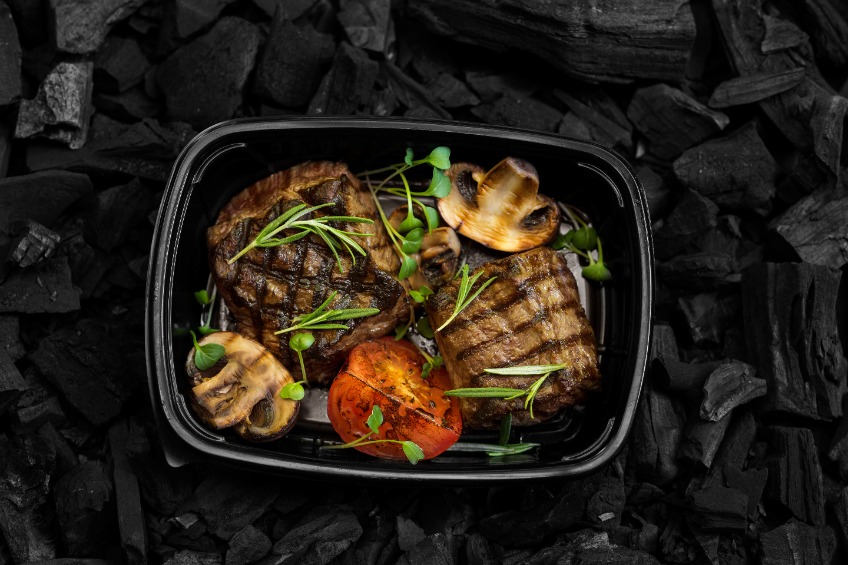

 Summer grilling doesn’t have to be complicated or stressful. When you’re standing in your kitchen, wondering what to make for dinner, the answer is often simple: head outside and fire up the grill.
 Summer grilling centers on a few key proteins that work well over high heat and deliver satisfying flavors. Burgers and hot dogs are weeknight staples, while chicken offers lean versatility.


