What Are the Best Quality Pots and Pans to Buy? An Expert Guide
The best quality pots and pans are those that balance durable construction, even heat distribution, and materials tailored to your cooking style.
Top choices include stainless steel sets for versatility, nonstick for easy cleanup, and ceramic for high-heat tasks.
You don’t have to spend a fortune to get dependable cookware. Testing experts have evaluated hundreds of cookware sets across materials and price points to find what actually works in real kitchens.
Understanding what makes cookware high quality and which pieces you truly need can help you make a smart investment that lasts for years. Let’s break down the essential features, compare main materials, and highlight the must-have pots and pans for every kitchen.
What Defines the Best Quality Pots and Pans?
Quality cookware offers even heat distribution, resists warping, and avoids leaching harmful chemicals into your food. These three factors distinguish worthwhile pots and pans from the rest.
Understanding Cookware Performance
Consistent heat distribution is the most important factor for reliable cooking results. Hot spots can scorch food in one area while leaving the rest undercooked.
Manufacturers achieve even heating by using materials like stainless steel layered with aluminum or copper. These metal layers spread heat from the burner across the entire cooking surface.
If a pan heats unevenly, you’ll notice issues like eggs burning in the center or sauces scorching before they’re ready. That’s frustrating, to say the least.
When testing cookware, look for pieces that heat up steadily and boil water evenly across the surface.
Durability and Construction
Durable construction means your cookware stands up to daily use and high heat without falling apart. The best pots and pans resist warping and keep their shape over time.
Signs of quality construction include thick base materials, sturdy handles, tight-fitting lids, and multiple bonded metal layers.
Thick base materials that don’t bend or warp
Sturdy handles that stay attached
Tight-fitting lids for a proper seal
Multiple metal layers bonded for longevity
Warped pans don’t sit flat on the burner and create hot spots, making cooking unnecessarily difficult.
Reputable manufacturers often back their cookware with long warranties. Some top-rated sets have lasted decades with proper care.
Safety and Non-Toxicity
Cookware materials impact your health. Non-toxic cookware avoids chemicals that could migrate into your food.
Many nonstick pans use PFAS chemicals, including PTFE (Teflon). Research shows 65 percent of home cooks are concerned about these substances.
To reduce exposure, heat new nonstick pans empty a few times before cooking and replace any pan with a damaged nonstick surface.
Stainless steel, cast iron, and ceramic are safer alternatives that don’t rely on chemical coatings. Some brands now offer PTFE-free nonstick options for those who want easy cleanup without the chemicals.
Essential Types of Pots and Pans for Every Kitchen
Every kitchen benefits from a core set of cookware: frying pans, saucepans, large pots, and a few specialty pieces. The right mix lets you handle daily meals and special dishes alike.
Frying Pans and Skillets
A 10-inch skillet is the most versatile size for everyday tasks—think searing proteins, sautéing vegetables, or quick one-pan meals.
For larger batches or to avoid overcrowding, a 12-inch skillet gives you more space. Proper browning depends on that extra surface area.
Nonstick skillets (8- or 10-inch) are great for eggs, pancakes, and delicate foods. Just remember, modern nonstick needs gentle care and lower heat.
A sauté pan has straight sides and a bigger capacity, perfect for dishes that combine browning and sauce-making. The design helps prevent splatter and holds more liquid.
Saucepans and Saucier Pans
Quality saucepans are essential for heating liquids, making grains, and preparing sauces. A 3-quart saucepan covers most needs, from boiling eggs to making rice.
A 4-quart saucepan increases capacity for bigger batches without becoming unwieldy. Choose heavy-bottomed models to prevent scorching.
Saucier pans have rounded sides for easier whisking and fewer stuck bits. They’re ideal for risotto, custards, and reductions.
Glass lids help you monitor progress without losing steam, while tight-fitting lids maintain temperature and moisture.
Stockpots and Dutch Ovens
An 8-quart stockpot is your go-to for stocks, pasta, and large batches of soup. Its tall shape helps heat distribute evenly and minimizes evaporation.
A dutch oven (5.5 to 6 quarts) excels at braising, baking bread, and slow-cooked stews. Enameled cast iron versions don’t need seasoning and won’t react with acidic foods.
The heavy lid on an enameled dutch oven seals in moisture and heat—ideal for no-knead bread and pot roasts. These pots move easily from stovetop to oven.
Specialty Pans and Accessories
A grill pan brings those outdoor grill marks indoors, letting fat drain away. It’s handy when grilling outside isn’t an option.
A wok is perfect for high-heat stir-frying and can handle big volumes. Carbon steel woks heat up fast and develop natural nonstick properties with seasoning.
A braiser combines the best of a skillet and dutch oven: wide, shallow, and with a tight lid. It’s great for browning before slow-cooking with liquid.
Comparing Cookware Materials: Pros and Cons
Each cookware material has its own strengths. Stainless steel is versatile and long-lasting, nonstick is easy to clean, cast iron retains heat, and copper responds quickly to temperature changes.
Stainless Steel
Stainless steel cookware is non-reactive and handles high heat, making it suitable for almost any cooking task. However, it doesn’t conduct heat well on its own, so quality pieces use clad construction.
Clad stainless steel combines layers—usually an aluminum core between stainless steel. 3-ply is standard, while 5-ply adds more layers for potentially better heat distribution, though the improvement isn’t always dramatic.
Fully-clad construction means the metal layers extend up the sides, not just the base, for more even heating. Some cheaper sets only bond the core to the bottom, causing hot spots on the sides.
To prevent sticking, preheat stainless steel and use enough fat. Cleanup can be tricky if food burns, but with proper care, these pans last for decades.
Nonstick and Ceramic Nonstick
Nonstick cookware features a coating that prevents food from sticking. Traditional nonstick uses PTFE, while ceramic nonstick opts for a mineral-based coating.
PTFE coatings are excellent for eggs and pancakes, requiring less oil and easy cleanup. Just keep the heat below 500°F and avoid metal utensils. The coating wears out over time—expect to replace these pans every few years.
Ceramic nonstick appeals to those avoiding synthetics. It performs similarly to PTFE when new but tends to lose its nonstick properties sooner. Both types are affordable but not built for the long haul.
Key differences:
PTFE outlasts ceramic coatings
Ceramic scratches more easily
Neither handles high heat well
Both need gentle cleaning and soft utensils
Cast Iron and Carbon Steel
Cast iron excels at heat retention. When you add cold food to a hot cast-iron skillet, it stays hot enough for a solid sear.
It needs seasoning—baking oil into the surface—to create a natural nonstick layer. Acidic foods can damage the seasoning, so avoid long tomato or vinegar cooks.
These pans are heavy; a 12-inch skillet might weigh eight pounds. With regular seasoning and careful cleaning (skip the soap), cast iron can last for generations.
Carbon steel offers similar benefits but is lighter and more responsive to temperature changes. Over time, both materials develop better nonstick properties as the seasoning builds up.
Copper and Aluminum
Copper cookware stands out for its exceptional heat conductivity. It heats up fast and responds instantly to temperature changes, making it a favorite for chefs handling delicate sauces or foods that demand precision.
However, pure copper reacts with acidic foods, so most copper pans come lined with stainless steel. These pieces are pricey and require regular polishing if you want them looking their best.
Aluminum cookware is lightweight and heats quickly, but it’s a softer metal that dents easily. It also reacts with acidic ingredients, sometimes giving food an odd metallic taste.
Hard-anodized aluminum is a step up, thanks to an electrochemical process that hardens the surface. This makes it more durable and non-reactive. Many stainless steel sets actually use an aluminum core sandwiched between steel layers to boost heat conductivity without the drawbacks of bare aluminum.
Top-Rated Cookware Sets to Consider
A few cookware sets really shine in terms of performance, durability, and value. The Tramontina Gourmet stainless steel set delivers quality at a reasonable price. Hestan NanoBond is geared toward cooks who want professional-grade results.
Best Overall Cookware Set
The Hestan NanoBond 10-piece cookware set consistently earns high marks for its construction and longevity. This set uses stainless steel bonded with titanium particles on both the top and bottom layers, which helps prevent sticking far better than standard stainless.
An aluminum core in the middle ensures quick, even heating. You can safely heat these pans up to 1050°F, so they’re versatile for nearly any cooking technique.
The 11-inch skillet heats evenly and browns steak beautifully, thanks to its generous surface area and slightly flared edges.
Cleanup is straightforward. Food rarely sticks, and even stubborn bits release after an overnight soak. The color may deepen with heavy use, but the included Hestan cleaner restores the original shine.
Best Budget Cookware Set
Tramontina cookware brings professional-level stainless steel performance without the steep price. The Tramontina Gourmet 12-piece Tri-Ply Clad set features sturdy construction, comfortable handles, and snug lids.
The 10-inch fry pan distributes heat evenly and excels at browning steak. Its 3-ply stainless steel build helps maintain consistent temperatures, and the rounded bottom edges make stirring easier.
Preheating and using enough fat is crucial, as with all stainless cookware. Some cosmetic discoloration or “rainbowing” can happen at high heat, but it doesn’t affect performance and can be cleaned off with Bar Keeper’s Friend.
This set includes two frying pans (8-inch and 10-inch), three saucepans with lids (1.5-quart, 2-quart, and 3-quart), a 6-quart sauté pan with lid, and an 8-quart stockpot with lid.
Best Nonstick Cookware Sets
The Ninja cookware set pairs durability with a lightweight feel, making it practical for daily use. Its hard-anodized aluminum base and tough nonstick coating resist scratches and handle metal utensils well.
The 10-inch skillet heats evenly and sears steak reliably. Eggs release effortlessly, even without oil. While the coating endures dishwasher cycles, the aluminum base may discolor over time, though this doesn’t impact how the pans cook.
Handles remain cool during use, and glass lids allow easy monitoring. One tester used these pans daily—including in the dishwasher—for three years before needing a replacement.
Circulon’s award-winning set is another standout for nonstick performance. These pans have a bit more heft, with wide, comfortable handles and a coating that holds up to metal utensils and routine dishwasher cleaning.
Luxury and Professional Cookware Choices
All-Clad cookware is widely regarded as the gold standard in professional and serious home kitchens alike. The All-Clad D3 7-piece set is especially praised for its durable tri-ply stainless steel construction, which ensures fast, consistent, and even heat distribution across the entire cooking surface.
Designed for performance and longevity, the set also features ergonomically shaped handles that are easy to grip and stay comfortable during use, making it a reliable choice for cooks who value precision, control, and long-term quality.
Key Features to Evaluate Before Buying
Great cookware is about more than a famous brand. The best pots and pans deliver reliable heat performance, comfortable handling for long sessions, well-designed lids, and compatibility with modern surfaces like induction cooktops.
Heat Distribution and Retention
Even heat distribution is essential to prevent hot spots that scorch or undercook food. Look for cookware with multiple layers—three-ply or five-ply construction is common—often blending stainless steel with aluminum or copper cores.
Thicker bases usually mean better heat retention and distribution. Heavier pans tend to hold heat more evenly, while thinner ones heat up quickly but lose warmth fast when you add cold ingredients.
Cast iron excels at heat retention, but thinner aluminum pans can struggle. Heavy stainless steel cookware strikes a good balance between weight and performance.
Handle Comfort and Ergonomics
Comfortable handles really matter, especially if you’re cooking often. Handles should feel natural in your grip; wide, gently contoured shapes distribute weight better than thin, round ones.
Length plays a role too—longer handles give more leverage for heavy pots but might be awkward in smaller ovens. Ideally, handles stay cool on the stovetop, though that depends on material and design.
Riveted handles generally last longer than welded ones. Ensure handles are firmly attached and don’t wobble. Some top brands offer a lifetime warranty or limited lifetime warranty that covers handle failures, which is reassuring if you’re investing in a set.
Lid Design and Compatibility
Good lids trap heat and moisture, improving cooking results. Glass lids let you peek at your food, while metal ones usually stand up to higher oven temperatures. The fit should be snug—no gaps—but not so tight that steam can’t escape when needed.
Look for oven-safe handles and vents for controlled steam release. Some lids come with built-in straining holes, which is handy. Heavier lids seal better but may be a bit unwieldy with oven mitts.
Induction and Oven Compatibility
If you have an induction cooktop, you’ll need cookware with a magnetic base—typically stainless steel or cast iron. Test with a magnet if you’re unsure. Not all stainless steel is created equal; the base must contain enough iron to work with induction.
Oven-safe temperature limits vary widely. Stainless steel pans can often handle 500°F or more, while nonstick coatings might cap out at 400-500°F. Always check both pan and lid ratings, since lids sometimes have lower tolerances.
How We Test and Review Cookware
Testing cookware means using it to make real meals, then watching how it holds up over months or even years. We focus on heat distribution, nonstick ability, and how easy each piece is to clean after day-to-day cooking.
Real-World Performance Tests
We cook actual meals to see how cookware performs in real kitchens. This includes searing steak for even browning, scrambling eggs without oil to test nonstick coatings, and simmering tomato sauce to check heat control.
Heat distribution is key—we look for hot spots by checking how evenly food browns. Uneven pans can burn some spots while leaving others undercooked.
We also time how quickly pots boil and how well they maintain steady temperatures for soups and stews. Weight and balance matter, too. Handles need to stay cool and feel secure, especially when the pan is full.
For induction compatibility, we test on induction cooktops to confirm proper function.
Long-Term Durability Assessments
We use cookware repeatedly, sometimes for a year or longer, to see if coatings scratch, handles loosen, or warping happens. Metal utensil tests reveal how tough nonstick surfaces really are.
We run pieces through the dishwasher—even when hand washing is suggested—to see how they handle rough treatment. Discoloration and staining crop up with some materials; while mostly cosmetic, we track these changes to set realistic expectations.
High-heat tests show if pans develop rainbow stains or if handles degrade. These details help you know what to expect before you buy.
Ease of Cleaning and Maintenance
Cleanup is a constant for anyone who cooks at home. We look closely at how easily food residue wipes away and whether stubborn bits demand serious scrubbing or an overnight soak.
Nonstick pans are expected to release eggs and other sticky foods cleanly, with little to no residue left behind. Stainless steel usually takes more effort, but with the right cleaner—think Bar Keeper’s Friend—it shouldn’t cling to burnt-on food.
We also check if cookware is genuinely dishwasher-safe or if repeated cycles end up causing damage. Hand-washing requirements matter too, since they can add unexpected steps to your routine.
Special maintenance, like seasoning carbon steel or sticking to certain cleaners, plays a role in our evaluations.
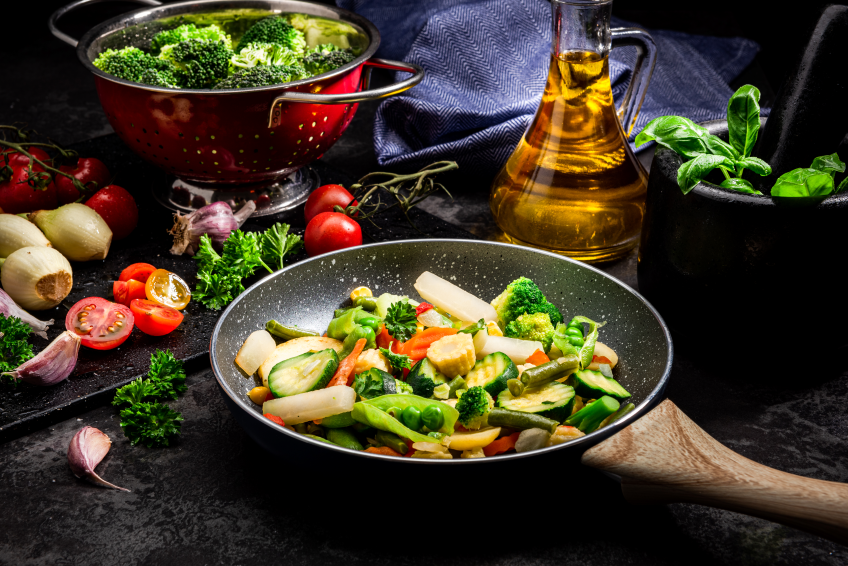

 The best quality pots and pans are those that balance durable construction, even heat distribution, and materials tailored to your cooking style.
 Quality cookware offers even heat distribution, resists warping, and avoids leaching harmful chemicals into your food. These three factors distinguish worthwhile pots and pans from the rest.
 Every kitchen benefits from a core set of cookware: frying pans, saucepans, large pots, and a few specialty pieces. The right mix lets you handle daily meals and special dishes alike.


