Do Chefs Use Cast Iron Pans? Professional Kitchen Insights
Cast iron cookware is widely used in professional kitchens, from casual dining spots to Michelin-starred restaurants. Chefs often rely on it for its consistent performance, especially when cooking at high temperatures during demanding service.
One major advantage of cast iron is its durability. In fast-paced kitchen environments, it can handle heavy use and rough handling without easily wearing out. It also heats evenly and retains that heat better than many other types of cookware.
Another benefit is the natural non-stick surface that develops over time. As the pan becomes seasoned with repeated use, its cooking performance improves, making it even more reliable for chefs.
Professional chefs do use cast iron pans in their kitchens because these pans offer durability, heat retention, and versatility that meet the demands of restaurant cooking.
Understanding how professional chefs choose and use cast iron can help you make better decisions about your own cookware. The way chefs maintain these pans, the techniques they apply, and the types of cast iron they prefer all offer practical lessons for home cooks who want restaurant-quality results.
Do Chefs Use Cast Iron Pans?
Yes, professional chefs use cast iron pans regularly in both restaurant kitchens and at home. Cast iron cookware appears in professional kitchens for its heat retention, durability, and ability to develop natural non-stick surfaces through seasoning.
Prevalence of Cast Iron in Professional Kitchens
Cast iron pans are common in professional kitchens but not as dominant as stainless steel or carbon steel. You’ll find cast iron skillets used selectively rather than as primary cookware in most restaurants. The heavy weight makes them less practical for fast-paced cooking environments where chefs need to move quickly.
Professional chefs often prefer carbon steel over cast iron because it offers similar benefits with lighter weight. Carbon steel pans withstand rough handling and provide the same smoky flavor and char marks. Cast iron remains popular for specific applications where its heat retention matters most.
Michelin-starred restaurants like Alinea and Le Bernardin keep cast iron in their kitchens alongside other materials. Home kitchens of professional chefs feature cast iron more frequently than commercial kitchens. The maintenance requirements and slower heat response make cast iron a secondary choice in high-volume cooking operations.
Why Chefs Choose Cast Iron Pans
Chefs choose cast iron for its superior heat retention compared to other materials. The thick base distributes heat evenly across the cooking surface. This even heating prevents hot spots that can burn food.
Cast iron develops a natural non-stick coating through seasoning over time. You build this coating by cooking with oil or fat repeatedly. The seasoned surface performs nearly as well as synthetic non-stick pans without chemical coatings.
Key advantages for professional use:
Withstands extremely high temperatures without warping
Moves from stovetop to oven without damage
Lasts decades with minimal maintenance
Costs less than premium stainless steel or copper cookware
Cast iron pans are nearly indestructible in kitchen environments. You can knock them against stoves or use metal utensils without causing damage. The durability justifies their weight disadvantage in many cooking situations.
Typical Dishes Prepared with Cast Iron
Professional chefs use cast iron frying pans primarily for searing meat. The heat retention creates proper crust formation on steaks and chops. Cast iron maintains temperature when you add cold ingredients.
Common professional applications:
Searing steaks and pork chops
Frying eggs and making omelets
Preparing fried rice and stir-fries
Roasting vegetables
Baking cornbread and cobbets
Griddle pans with raised ridges produce characteristic grill marks on meat and vegetables. These cast iron griddles deliver smoky grilled flavor on standard stovetops. Chefs use them for burgers, grilled vegetables, and pancakes.
Braising and slow-cooking work well in cast iron Dutch ovens. The thick walls maintain steady low temperatures for stews. You should avoid cooking acidic foods like tomatoes in unseasoned cast iron because acids strip the seasoning layer.
Core Benefits of Cast Iron for Chefs
Cast iron pans deliver three primary advantages for professional cooking: superior heat retention that maintains temperature during high-volume service, versatility across multiple cooking methods and heat sources, and exceptional durability that outlasts other cookware materials by decades.
Heat Retention and Even Heating
Cast iron holds heat longer than aluminum, stainless steel, or copper cookware. Once your cast iron skillet reaches the desired temperature, it maintains that heat even when you add cold ingredients to the surface.
This heat retention prevents temperature drops during critical cooking moments. When you sear a steak, the pan stays hot enough to create proper crust formation. When you add chicken pieces for pan-frying, each piece browns consistently instead of steaming in spots where the pan cooled.
Even heat distribution eliminates hot spots across the cooking surface. You get uniform browning on pancakes without burnt centers. Large cuts of meat develop consistent color edge to edge.
The combination of retention and distribution makes cast iron ideal for high-heat cooking techniques. Searing, blackening, and deep-frying all benefit from stable temperatures that don’t fluctuate when food contacts the pan.
Versatility for Multiple Techniques
A single cast iron skillet handles stovetop searing, oven roasting, broiling, and outdoor grilling. You can start a dish on the burner and transfer it directly to a 500°F oven without switching pans.
Seasoned cast iron develops natural nonstick properties that work for delicate fish, eggs, and sticky sauces. The same pan also withstands aggressive scraping with metal spatulas during stir-frying or hash preparation.
Cast iron works on gas, electric, induction cooktops, campfires, and charcoal grills. This adaptability reduces the number of specialized pans your kitchen requires.
Durability and Lifespan
Cast iron resists warping, cracking, and surface degradation under commercial kitchen conditions. Metal utensils, high temperatures, and daily heavy use don’t damage the cooking surface.
A neglected or rusted pan can be restored to full function through re-seasoning. Unlike nonstick coatings that permanently degrade, cast iron’s cooking surface actually improves over years of use.
Professional kitchens use the same cast iron pans for 50+ years. This longevity eliminates replacement costs associated with cookware that wears out every few years.
Cast Iron Pans Compared to Other Professional Cookware
Cast iron pans differ from stainless steel, carbon steel, and copper cookware primarily in heat retention, weight, and maintenance requirements. Professional chefs select cookware based on specific cooking tasks rather than using one material for everything.
Stainless Steel Pans versus Cast Iron
Stainless steel pans heat up faster than cast iron but lose heat more quickly when you add cold food. Cast iron maintains temperature better, making it ideal for searing steaks or frying chicken.
Stainless steel works on induction cooktops without modification, while cast iron naturally works on all heat sources. You can deglaze stainless steel pans with wine or vinegar without damaging the surface. Cast iron reacts with acidic foods and strips its seasoning layer.
Tri-ply stainless steel combines an aluminum core between stainless layers for even heating. This construction costs more than cast iron but requires no seasoning maintenance. Chefs use stainless steel for sauces, sautéing vegetables, and any dish with tomatoes or citrus.
When Chefs Prefer Carbon Steel or Non-Stick
Carbon steel pans weigh less than cast iron and heat up faster while still developing a natural non-stick surface through seasoning. Chefs use carbon steel for woks, crepes, and dishes requiring quick temperature changes.
Non-stick pans with PTFE or ceramic coatings serve specific purposes in professional kitchens. You need them for eggs, delicate fish, and low-fat cooking. The nonstick coating breaks down above 500°F, so chefs never use them for high-heat searing.
Carbon steel requires the same seasoning maintenance as cast iron. Non-stick pans need replacement every 3-5 years as the coating wears down.
Copper and Aluminum: The Heat Conductivity Debate
Copper cookware offers the highest heat conductivity of any material, responding instantly to temperature changes. Aluminum pans conduct heat almost as well at a fraction of the cost.
Cast iron conducts heat poorly but retains it exceptionally well once heated. Copper cookware costs 5-10 times more than cast iron for similar sizes. Chefs reserve copper for precision work like candy making and delicate sauces where immediate temperature control matters.
Aluminum can react with acidic foods unless it is anodized or clad with stainless steel. In contrast, cast iron offers superior heat retention compared to both copper and aluminum, making it especially effective for tasks like baking cornbread or maintaining steady frying temperatures.
Cast Iron in Different Cooking Techniques
Thanks to its excellent heat retention, cast iron performs well across a range of cooking methods. It transitions easily from stovetop to oven without damage, adding to its versatility. Chefs rely on it for high-heat searing, consistent-temperature frying, slow cooking with even heat distribution, and even indoor grilling with minimal equipment.
Searing and Browning Meats
Cast iron excels at high-heat searing because it maintains stable temperatures when cold meat touches the surface. You need to preheat your pan for 5-10 minutes on medium-high heat before adding protein. This creates the Maillard reaction, which forms a caramelized crust on steaks, pork chops, and chicken thighs.
The thick metal distributes heat evenly across the entire cooking surface. You should pat meat dry before placing it in the pan to prevent steaming. Leave the meat undisturbed for 3-4 minutes to develop proper browning.
Cast iron skillets retain enough heat to sear multiple portions without temperature drops. This makes them practical in professional kitchens where you cook several servings in succession.
Frying and Deep-Frying
Cast iron maintains steady oil temperatures during frying, which prevents food from absorbing excess grease. You can heat oil to 350-375°F and the pan will hold that temperature throughout the cooking process. Deep-frying in cast iron works for chicken, doughnuts, and french fries.
The high sides of a cast iron Dutch oven contain oil splatter better than shallow pans. You need 2-3 inches of oil depth for proper deep-frying. Cast iron heats oil slowly and evenly, reducing hot spots that can burn food.
For shallow frying, a skillet holds enough oil to cook items like fish fillets or breaded cutlets. The pan’s heat retention creates consistent browning on all sides.
Braising, Simmering, and Roasting
A cast iron Dutch oven performs well for braising because its thick walls trap moisture and distribute heat slowly. You start by browning meat on the stovetop, then add liquid and move the covered pot to a 300-325°F oven. The enclosed space creates steam that tenderizes tough cuts over 2-4 hours.
Simmering soups and stews in cast iron prevents scorching on the bottom. The heavy lid keeps liquid from evaporating too quickly. You can use cast iron for oven roasting vegetables, whole chickens, and casseroles.
A cast iron roasting pan handles temperatures up to 500°F without warping. The pan transitions from stovetop to oven, letting you deglaze fond directly in the same vessel.
Grilling Indoors and Oven Use
A cast iron griddle with raised ridges simulates outdoor grilling marks and drains fat away from food. You heat the griddle over two burners for steaks, vegetables, and sandwiches. The ridges create char lines at contact points while elevating food above rendered grease.
Cast iron griddles work on electric, gas, and induction cooktops. You can also place them in the oven to finish thick cuts of meat. Flat griddles without ridges cook pancakes, eggs, and quesadillas with even browning.
The pan’s ability to withstand direct oven heat makes it suitable for recipes that start on the stovetop and finish under the broiler. You achieve crispy tops on gratins and frittatas this way.
Types of Cast Iron Cookware Favored by Chefs
Chefs prefer three main categories of cast iron cookware: skillets for high-heat cooking, Dutch ovens for slow braising, and griddles for even-surface cooking. Each type serves specific kitchen tasks that require cast iron’s heat retention properties.
Skillets and Frying Pans
Cast iron skillets are the most common type of cast iron cookware in professional kitchens. These pans range from 8 to 14 inches in diameter and feature low, slanted sides that make flipping food easier.
Chefs use cast iron skillets for searing steaks, frying eggs, and creating crispy-bottomed dishes. The pan’s ability to hold heat at high temperatures makes it ideal for developing a proper crust on proteins. A well-seasoned skillet develops a natural non-stick surface over time.
Professional kitchens often stock multiple skillet sizes for different portion needs. The heavy base prevents hot spots and maintains consistent temperature even when cold food hits the surface. You can move these pans from stovetop to oven without switching cookware.
Dutch Ovens and Braisers
Dutch ovens are deep cast iron pots with tight-fitting lids that trap moisture during cooking. Chefs use these for braising meats, making stews, and baking bread. The thick walls distribute heat evenly around all sides of the food.
A braiser is a shallower version of a Dutch oven with a wider base and lower sides. This design allows more surface area for browning before adding liquid. Chefs prefer braisers for dishes that need both searing and slow cooking in one pan.
Both types work on any heat source including induction cooktops and open flames. The heavy lid creates a seal that bastes food with its own condensation. You can use these pans for serving directly at the table since they retain heat for extended periods.
Griddles and Specialty Pans
Cast iron griddles are flat cooking surfaces with or without raised ridges. Chefs use smooth griddles for pancakes, crepes, and tortillas where even heat distribution matters. Ridged griddle pans create grill marks and allow fat to drain away from meat.
A crepe pan is a specialized flat pan with very low sides for easy flipping. Professional kitchens use these for delicate items that need quick, even heating across a wide surface. The heavy metal prevents temperature drops when batter hits the pan.
Specialty cast iron cookware includes cornbread molds, grill presses, and baking pans. These pieces serve specific menu items that benefit from cast iron’s properties. Most chefs keep a few specialty pieces alongside their core skillets and Dutch ovens.
Brand and Maintenance Considerations for Professional Use
Professional chefs select cast iron brands based on durability and maintenance requirements that suit high-volume cooking environments. Pre-seasoned and enameled options reduce prep time, while proper cleaning methods extend cookware lifespan in commercial settings.
Popular Cast Iron Cookware Brands
Lodge dominates professional kitchens as the most widely used cast iron brand due to its affordability and proven durability. This American manufacturer offers heavy-duty skillets and Dutch ovens that withstand decades of daily use without performance degradation.
Le Creuset and Staub specialize in enameled cast iron, favored by chefs who need non-reactive surfaces for acidic ingredients. Both brands provide lifetime warranties and superior enamel coatings that resist chipping under professional conditions.
The brand Finex appeals to chefs seeking premium features like octagonal shapes for better pouring and stainless steel springs instead of traditional handles. The brand’s polished cooking surfaces require less initial seasoning than standard cast iron.
Pre-Seasoned and Enameled Options
Pre-seasoned cast iron arrives ready for immediate cooking, eliminating the time-consuming seasoning process that busy kitchens cannot accommodate. Lodge applies vegetable oil seasoning at high temperatures during manufacturing, creating a natural nonstick surface.
Enameled cast iron needs no seasoning and won’t react with tomatoes, wine, or citrus-based dishes. The glass coating prevents rust and allows for easier cleaning with soap and water. However, enameled surfaces cannot withstand metal utensils as well as bare cast iron can tolerate.
Cleaning and Longevity in Busy Kitchens
Cast iron requires immediate cleaning after use to prevent food residue from hardening and damaging the seasoning layer. You should scrub with hot water and a stiff brush, then dry completely over low heat to prevent rust formation.
Professional kitchens apply thin oil coats after each cleaning to maintain the seasoning. This practice takes 30 seconds but prevents deterioration in high-humidity environments. Properly maintained cast iron lasts 50-100 years in commercial settings, making it the most cost-effective cookware investment per year of service.
FAQ: Do Chefs Use Cast Iron Pans?
Cast iron pans are widely known for their durability and heat retention, but many people wonder whether professional chefs actually use them in kitchens.
Do Chefs Use Cast Iron Pans?
Yes, many chefs use cast iron pans, especially for high-heat cooking tasks like searing, roasting, and baking.
However, they are not used for every type of dish.
Why Do Chefs Like Cast Iron Pans?
Chefs value cast iron because it:
Retains heat extremely well
Creates a strong sear on meat
Works on stovetops and in ovens
Is very durable and long-lasting
What Do Chefs Use Cast Iron For Most?
Common uses include:
Searing steaks
Cooking cornbread or baked dishes
Roasting vegetables
Finishing dishes in the oven
Do All Professional Chefs Use Cast Iron?
No, not all chefs use it regularly.
Many prefer stainless steel or carbon steel for versatility and faster temperature control in busy kitchens.
Is Cast Iron Better Than Non-Stick for Chefs?
Cast iron is better for high-heat and browning, while non-stick is better for delicate foods like eggs or fish.
Chefs choose based on the dish.
Is Cast Iron Hard to Use in a Professional Kitchen?
It can be heavier and slower to adjust temperature, which is why it’s not always ideal in fast-paced restaurant environments.
Do Chefs Season Their Cast Iron Pans?
Yes, seasoning is essential. It builds a natural non-stick surface and protects the pan from rust.
Why Do Some Chefs Prefer Carbon Steel Instead?
Carbon steel offers:
Faster heating and cooling
Lighter weight
Similar non-stick potential when seasoned
Is Cast Iron Still Popular in Restaurants?
Yes, especially in steakhouses and kitchens focused on rustic or high-heat cooking techniques.
What Is the Main Benefit of Cast Iron for Chefs?
The biggest advantage is excellent heat retention, which helps create consistent browning and deep flavor.
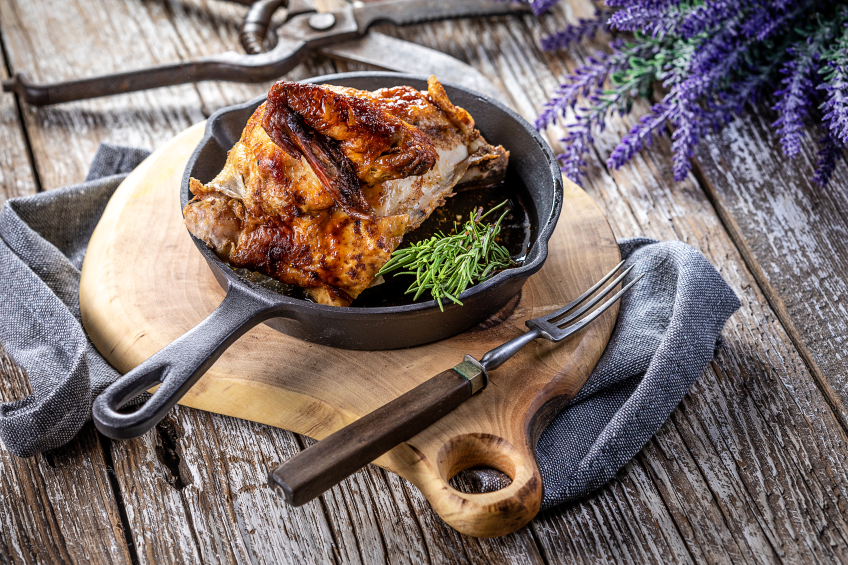


 Yes, professional chefs use cast iron pans regularly in both restaurant kitchens and at home. Cast iron cookware appears in professional kitchens for its heat retention, durability, and ability to develop natural non-stick surfaces through seasoning.
 Cast iron pans deliver three primary advantages for professional cooking: superior heat retention that maintains temperature during high-volume service, versatility across multiple cooking methods and heat sources, and exceptional durability that outlasts other cookware materials by decades.
 Cast iron pans differ from stainless steel, carbon steel, and copper cookware primarily in heat retention, weight, and maintenance requirements. Professional chefs select cookware based on specific cooking tasks rather than using one material for everything.
 Thanks to its excellent heat retention, cast iron performs well across a range of cooking methods. It transitions easily from stovetop to oven without damage, adding to its versatility. Chefs rely on it for high-heat searing, consistent-temperature frying, slow cooking with even heat distribution, and even indoor grilling with minimal equipment.
 Chefs prefer three main categories of cast iron cookware: skillets for high-heat cooking, Dutch ovens for slow braising, and griddles for even-surface cooking. Each type serves specific kitchen tasks that require cast iron’s heat retention properties.
 Professional chefs select cast iron brands based on durability and maintenance requirements that suit high-volume cooking environments. Pre-seasoned and enameled options reduce prep time, while proper cleaning methods extend cookware lifespan in commercial settings.
 Cast iron pans are widely known for their durability and heat retention, but many people wonder whether professional chefs actually use them in kitchens.


