What Kind of Rice Is in a Poke Bowl? Complete Guide to Best Bases
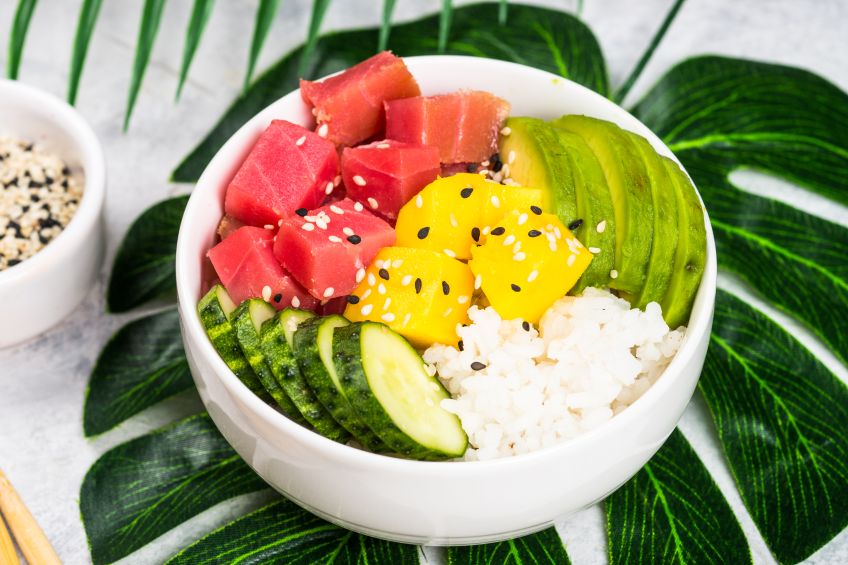
Poke bowls typically use sushi rice as their base, though short-grain white rice and brown rice are also common choices.
Sushi rice provides the traditional sticky texture and slightly sweet flavor that pairs well with raw fish and fresh vegetables.
The rice serves as the foundation of the poke bowl, holding the toppings in place while balancing the flavors of the dish.
Your choice of rice affects the entire poke bowl experience. Different rice types offer varying textures, from sticky to fluffy to chewy. The rice you select changes how well it holds toppings and how it tastes with your proteins and sauces.
This guide covers traditional and modern rice options for your poke bowl. You will learn about rice textures and flavors, proper seasoning techniques, and how to match rice with other ingredients. You will also get practical tips for selecting the best rice based on your preferences and dietary needs.
Traditional and Popular Rice Choices for Poke Bowls
Japanese short-grain rice is the traditional base for poke bowls because of its sticky texture and ability to hold ingredients together. White rice, brown rice, and jasmine rice are popular alternatives that offer different textures and flavors.
Japanese Short-Grain Rice (Sushi Rice)
Japanese short-grain rice is the most authentic choice for poke bowls. This rice contains high amounts of amylopectin, a starch that makes the grains sticky when cooked.
You need sticky rice to hold the fish, toppings, and sauces together in each bite. The grains are short and round, not long and separate like other types of rice.
Sushi rice refers to both the grain type and the seasoning method. You cook the short-grain rice, then mix it with rice vinegar, sugar, and salt while it’s still warm.
The vinegar seasoning cuts through the richness of raw fish. You should serve sushi rice at room temperature or slightly warm, never cold.
You must rinse the rice 6 to 10 times before cooking to remove excess surface starch. This prevents the rice from becoming mushy while keeping it sticky enough to bind ingredients.
White Rice Basics
White rice is any rice that has had its outer bran and germ layers removed. Short-grain white rice works better for poke bowls than long-grain varieties.
Long-grain white rice like basmati stays fluffy and separate when cooked. This texture doesn’t hold poke bowl ingredients together well.
Short-grain white rice creates the cohesive base you need. The higher starch content makes it naturally sticky without being gummy.
You can use plain white short-grain rice without vinegar seasoning if you prefer a milder flavor. This lets the fish and toppings stand out more.
White rice cooks faster than brown rice and has a softer texture. Most traditional poke bowls use white short-grain rice as the standard base.
Brown Rice for a Healthier Bowl
Brown rice keeps its outer bran layer, which adds fiber and nutrients. You get more vitamins and minerals compared to white rice.
The texture of brown rice is chewier and firmer than white rice. It doesn’t stick together as well because the bran layer prevents starch from releasing.
Your poke bowl will be looser with brown rice instead of the traditional sticky texture. The ingredients may not hold together in each forkful.
Brown rice has a nuttier flavor that can compete with delicate fish. You need to decide if this flavor works with your toppings and sauces.
Short-grain brown rice works better than long-grain for poke bowls. It still won’t be as sticky as white short-grain rice, but it’s closer.
Jasmine Rice and Its Appeal
Jasmine rice is a long-grain white rice from Thailand with a natural floral aroma. It cooks up fluffy and slightly sticky, more than basmati but less than short-grain rice.
The fragrant smell adds another layer to your poke bowl. You get a light, sweet scent that complements fresh fish and vegetables.
Jasmine rice grains stay separate but have some cling to them. This creates a softer base than traditional sushi rice but still holds ingredients reasonably well.
The texture is lighter and less dense than short-grain rice. Your poke bowl will feel less heavy with jasmine rice as the base.
Many modern poke restaurants offer jasmine rice as an alternative to sushi rice. It appeals to people who want a fluffier texture and aromatic flavor.
Exploring Modern Rice Alternatives and Grain Options
Modern poke bowls incorporate alternatives like black rice, wild rice, cauliflower rice, and quinoa to provide different flavors, textures, and nutritional profiles.
These options cater to dietary preferences ranging from high-protein to low-carb requirements.
Black Rice and Forbidden Rice
Black rice and forbidden rice are the same grain, named for its historical restriction to Chinese royalty. This whole grain contains anthocyanins, the same antioxidants found in blueberries and blackberries.
The rice turns deep purple when cooked and offers a slightly sweet, nutty flavor. It provides more protein and fiber than white rice, with about 5 grams of protein per half cup serving.
Black rice creates visual contrast in poke bowls with its dark color against bright fish and vegetables. The chewy texture holds up well under sauces and toppings without becoming mushy.
Red Rice, Wild Rice, and Unique Bases
Red rice contains natural pigments in its bran layer that give it a reddish-brown color and earthy taste. It cooks in about 45 minutes and maintains a firm, chewy texture.
Wild rice is not rice but a grass grain native to North America. It has a nutty, earthy flavor and requires 45-60 minutes of cooking time. Wild rice provides 6.5 grams of protein per cooked cup.
These grains add textural variety and deeper flavors to poke bowls. You can blend them with white or brown rice to balance cooking times and create custom bases.
Cauliflower Rice and Grains like Quinoa
Cauliflower rice is raw cauliflower processed into rice-sized pieces, providing a low-carb base with only 5 grams of carbohydrates per cup. It cooks in 5-8 minutes and absorbs the flavors of poke bowl sauces.
Quinoa is a complete protein containing all nine essential amino acids, with 8 grams of protein per cooked cup. It has a mild, slightly nutty flavor and fluffy texture when prepared correctly.
Barley offers chewy texture and 3.5 grams of fiber per half cup. These grain alternatives support various dietary approaches including paleo, keto, and high-protein diets while maintaining the structural integrity needed for poke bowl bases.
Sticky, Fluffy, or Chewy? Understanding Rice Texture and Flavor
Rice texture in poke bowls depends on the starch content of the grain, specifically the ratio of amylose to amylopectin molecules. Short-grain varieties contain less amylose, which creates the sticky texture that holds together with raw fish and toppings.
Role of Stickiness in a Perfect Poke Bowl
Sticky rice provides the structural foundation that keeps your poke bowl ingredients together. Short-grain sushi rice contains nearly 15% amylose, which creates natural adhesion between grains when cooked. This stickiness allows the rice to clump slightly without becoming mushy.
The sticky texture helps you pick up rice and fish together in a single bite. When you season the rice with rice vinegar, sugar, and salt, the grains absorb the liquid while maintaining their structure. This characteristic separates short-grain rice from long-grain varieties like basmati, which contains 25% amylose and produces fluffy, separated grains.
Your rice should stick enough to form a base but not turn gummy. The starch molecules firm up as the rice cools, creating the ideal texture for building your bowl.
Chewy, Nutty, and Aromatic Profiles
Seasoned rice brings subtle flavor that complements rather than competes with raw fish. Sushi rice offers a neutral base with a slight sweetness from the vinegar mixture. Brown rice adds a nutty taste and chewy bite that provides more texture contrast.
Black rice delivers an earthy, slightly sweet profile with a firmer chew than white varieties. Red rice contributes a distinct nutty flavor with a reddish-brown color when cooked. Jasmine rice provides a floral aroma and soft texture, though its fluffy grains don’t clump as well as short-grain options.
Each variety changes how you experience the flavor of your poke ingredients. White sushi rice lets the fish shine, while nuttier options add their own taste dimension.
Balancing Texture and Sauce Absorption
Your rice for poke needs to absorb sauces without becoming soggy. Short-grain rice creates small pockets between sticky grains that trap liquid seasonings. This balance ensures each grain carries flavor while maintaining its shape.
Cook your rice with the correct water ratio to control final texture. A 1:1 ratio for sushi rice produces properly sticky grains. Too much water creates mush that can’t support toppings.
The rice should be slightly warm or room temperature when you build your bowl. Hot rice releases too much steam and wilts fresh vegetables. Cooled rice firms up just enough to absorb soy sauce, sesame oil, and other liquid components without falling apart.
How to Season and Prepare Rice for Poke Bowls
Poke bowl rice requires rice vinegar, sugar, and salt to create the seasoned base that complements fresh fish and toppings. The seasoning process transforms plain cooked rice into a slightly sweet, tangy foundation that balances the rich flavors in your bowl.
Using Rice Vinegar and Sesame Oil
Rice vinegar provides the essential tangy sweetness that defines seasoned rice for poke bowls. You need to mix rice vinegar with sugar and salt in a 4:2:1 ratio by tablespoons for every 2 cups of uncooked rice.
Heat this mixture in a small pan until the sugar and salt fully dissolve. Pour the warm vinegar mixture over your freshly cooked rice while it’s still hot, as warm rice absorbs the seasoning better than cold rice.
Fold the vinegar mixture into the rice using a cutting motion with a wooden paddle or spatula to avoid crushing the grains. Sesame oil adds nutty flavor when you drizzle a small amount (about 1 teaspoon per 2 cups cooked rice) over the seasoned rice. You can also add toasted sesame seeds at this stage for extra texture and flavor.
Seasoning Techniques: Furikake and Beyond
Furikake is a Japanese seasoning blend containing seaweed, sesame seeds, salt, and dried fish that adds umami depth to poke bowl rice. Sprinkle 1-2 teaspoons of furikake per cup of cooked rice after you’ve added the vinegar mixture.
Beyond furikake, you can incorporate diced scallions, pickled ginger juice, or a small amount of soy sauce into your seasoned rice. Some recipes call for a pinch of kombu (kelp) powder to enhance the savory qualities of the rice base.
Mix these additional seasonings gently to maintain the rice’s texture. The key is balancing flavors so the rice enhances rather than overpowers your poke bowl toppings.
Resting, Cooling, and Serving the Rice
Let your seasoned rice rest covered for 10 minutes after cooking and seasoning to allow the grains to firm up and absorb flavors evenly. Cool the rice to room temperature before assembling your poke bowl, as hot rice will warm the raw fish and vegetables.
Spread the rice on a large plate or in a shallow container to speed up cooling while maintaining the proper texture. You can fan the rice while folding it to cool it faster and create a slight sheen on the surface.
Serve the rice at room temperature or slightly cool for the best poke bowl experience. Store any leftover seasoned rice in an airtight container in the refrigerator for up to 24 hours, though freshly prepared rice works best.
Pairings and Poke Bowl Ingredient Combinations
Poke bowl ingredients work together through specific pairings that balance texture, flavor, and nutritional value. Rice selection directly affects how well creamy sauces and proteins integrate into the bowl.
Classic and Innovative Poke Bowl Ingredients
Classic poke bowls combine sushi rice with raw tuna or salmon, cucumber, edamame, and seaweed. These traditional ingredients create the authentic Hawaiian-style experience most people recognize.
Modern variations include avocado, mango, pickled ginger, and crispy onions. Red rice adds nutty flavor and visual contrast to protein-heavy bowls. Black rice provides additional nutrients while creating striking color combinations.
Vegetables like radish, carrots, and bell peppers add crunch and freshness. Edamame beans contribute plant-based protein and fiber. Sesame seeds and furikake seasoning deliver umami depth without overwhelming the fish.
Rice Selection for Pairing with Creamy Sauces
Short-grain rice varieties like Calrose work best with thick, creamy sauces because their sticky texture prevents sauce separation. The rice absorbs spicy mayo, sriracha aioli, and ponzu dressings effectively.
Sushi rice seasoned with rice vinegar balances rich, fatty sauces. The slight tang cuts through cream-based toppings and prevents the bowl from tasting heavy. Brown rice provides a firmer base that holds up under generous sauce portions without becoming mushy.
Jasmine rice works well with lighter, citrus-based dressings due to its fluffy texture. This rice type doesn’t clump when mixed with sesame oil or soy-based marinades.
Customizing the Poke Bowl Experience
You can adjust rice portions based on your dietary goals, using ½ to ¾ cup of cooked rice per bowl. Quinoa substitutes for rice when you want higher protein and lower carbohydrates.
Seasoning your rice with coconut milk adds sweetness that complements spicy proteins. Cooking rice in vegetable broth instead of water increases flavor without adding extra toppings. You can mix white and brown rice for balanced texture and nutrition.
Experiment with different protein-to-rice ratios to find your preferred combination. Pairing sticky rice with chunky toppings ensures all ingredients stay together on your fork.
Tips for Choosing the Best Rice for Your Poke Bowl
The best rice for your poke bowl depends on your dietary requirements, texture preferences, and willingness to try different bases. You need to consider how the rice will bind with your toppings and complement the flavor of your fish.
Choosing the Right Rice for Dietary Needs
White sushi rice contains about 150 calories per cooked cup and is low in fiber. Brown rice offers more nutrients with 3.5 grams of fiber per cup and additional B vitamins.
If you need a gluten-free option, all types of rice naturally contain no gluten. People managing blood sugar should choose brown rice or wild rice because they have a lower glycemic index than white rice. Black rice provides the highest antioxidant content among rice varieties.
For low-carb diets, cauliflower rice contains only 5 grams of carbs per cup compared to 45 grams in white rice. You can also mix half cauliflower rice with half regular rice to reduce carbs while maintaining some traditional texture.
Tips for Achieving the Perfect Texture and Balance
Rinse your rice 6 to 10 times until the water runs clear to remove excess starch. This prevents mushy texture while keeping the grains sticky enough to hold ingredients together.
Use a 1:1 ratio of rice to water for short-grain sushi rice. Cook for 15-20 minutes, then let it steam covered for another 10-15 minutes without lifting the lid.
Season your rice while it’s still hot using rice vinegar, sugar, and salt. The vinegar cuts through the richness of fatty fish like salmon and tuna. Serve the rice at room temperature or slightly warm, never cold. Cold rice becomes hard and loses its flavor balance with the raw fish.
Versatility and Experimentation in Poke Bowl Bases
You can combine different rice types to create custom textures and flavors. Mix white and brown rice in a 50-50 ratio for added nutrition without losing stickiness.
Try these alternative bases for variety:
Sushi rice mixed with quinoa (adds protein and crunch)
Half cauliflower rice with half sushi rice (reduces calories)
Black rice alone (provides nutty flavor and visual contrast)
Jasmine rice works if you prefer a lighter, less sticky base. Basmati rice creates a fluffy texture but won’t bind ingredients as well. Test small batches of different rice types before serving to guests to find your preferred balance.
FAQ: What Kind of Rice Is in a Poke Bowl?
Poke bowls are built on a rice base that supports the toppings and absorbs sauces.
The type of rice used can affect texture, flavor, and overall authenticity.
What Kind of Rice Is Traditionally Used in a Poke Bowl?
Traditionally, poke bowls use short-grain white rice, often seasoned with rice vinegar. This gives a slightly sticky texture that holds toppings well.
Is Sushi Rice Used in Poke Bowls?
Yes, sushi rice is commonly used. It is short-grain rice seasoned with vinegar, sugar, and salt, giving it a mild tangy flavor that pairs well with raw fish.
Can You Use Brown Rice in a Poke Bowl?
Yes, brown rice is a popular healthier alternative.
It has more fiber and a nuttier flavor, though it is less sticky than white rice.
Is Jasmine Rice Used in Poke Bowls?
Jasmine rice is sometimes used, but it is less traditional. It has a softer, fluffier texture and a more aromatic flavor compared to sushi rice.
Can You Make a Poke Bowl Without Rice?
Yes, rice can be replaced with:
Quinoa
Salad greens
Cauliflower rice These options reduce carbs and calories.
What Makes Poke Rice Different From Regular Rice?
Poke rice is often:
Seasoned with rice vinegar
Slightly sticky for structure
Served at room temperature rather than hot
Should Rice Be Warm or Cold in a Poke Bowl?
Traditionally, rice is served slightly warm or room temperature, which helps balance the cold toppings like fish and vegetables.
How Is Sushi Rice Prepared for Poke Bowls?
Sushi rice is typically:
Cooked and cooled slightly
Mixed with rice vinegar seasoning
Fluffed to maintain texture
What Is the Best Rice for Authentic Poke Bowls?
Short-grain sushi rice is considered the most authentic choice due to its texture and ability to hold toppings and sauces.
Can You Use Instant Rice for Poke Bowls?
Yes, but it may lack the texture and stickiness of traditional sushi rice, making the bowl less cohesive.

 Poke bowls typically use sushi rice as their base, though short-grain white rice and brown rice are also common choices.
 Modern poke bowls incorporate alternatives like black rice, wild rice, cauliflower rice, and quinoa to provide different flavors, textures, and nutritional profiles.
 Rice texture in poke bowls depends on the starch content of the grain, specifically the ratio of amylose to amylopectin molecules. Short-grain varieties contain less amylose, which creates the sticky texture that holds together with raw fish and toppings.
 Poke bowl rice requires rice vinegar, sugar, and salt to create the seasoned base that complements fresh fish and toppings. The seasoning process transforms plain cooked rice into a slightly sweet, tangy foundation that balances the rich flavors in your bowl.
 Poke bowl ingredients work together through specific pairings that balance texture, flavor, and nutritional value. Rice selection directly affects how well creamy sauces and proteins integrate into the bowl.
 The best rice for your poke bowl depends on your dietary requirements, texture preferences, and willingness to try different bases. You need to consider how the rice will bind with your toppings and complement the flavor of your fish.
 Poke bowls are built on a rice base that supports the toppings and absorbs sauces.


