Do You Mix Poke Bowl Before Eating? Expert Guide to Customizing Flavor
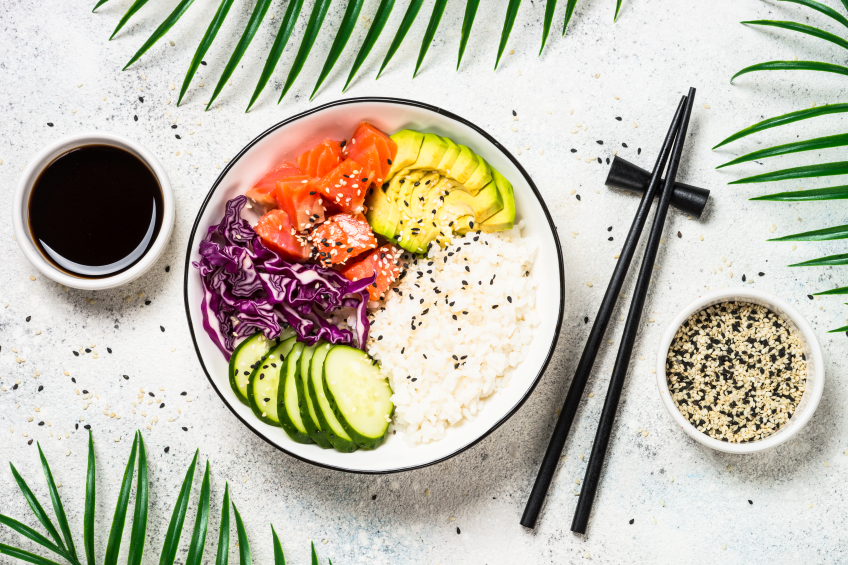
Poke bowls are a Hawaiian delicacy that has become popular worldwide for their fresh ingredients and bold flavors. You can mix your poke bowl before eating or eat each component separately, depending on your preference. Both approaches have their benefits and will change your eating experience.
Mixing a poke bowl combines all the ingredients together to create a blend of flavors in every bite, while eating it unmixed lets you taste each ingredient on its own.
Some people prefer the mixed approach because it distributes the sauce and seasonings evenly throughout the bowl. Others like to keep the components separate to enjoy the different textures and tastes as they go.
This guide will help you understand the best way to enjoy your poke bowl based on the ingredients you choose and what kind of eating experience you want. You’ll learn how mixing affects the overall taste and texture, plus get tips for building and personalizing your own bowl.
What Is a Poke Bowl?
A poke bowl is a Hawaiian dish that contains cubed raw fish served over rice or greens with various toppings and seasonings. The dish combines marinated fish with vegetables, sauces, and a grain base to create a complete meal.
Origins in Hawaiian Cuisine
Poke comes from traditional Hawaiian cuisine where fishermen seasoned raw fish cuts with sea salt, seaweed, and crushed kukui nuts. The word “poke” means “to slice” or “cut crosswise” in Hawaiian. Native Hawaiians ate this dish as a simple preparation method for fresh catch.
The modern poke bowl emerged when Japanese immigrants to Hawaii introduced soy sauce and sesame oil to the traditional recipe. Rice became a standard base in the mid-20th century. California popularized poke bowls in mainland America during the 2010s, leading to global recognition.
Defining Traditional and Modern Styles
Traditional Hawaiian poke uses ahi tuna or octopus cut into cubes and dressed with soy sauce, sesame oil, green onions, and sea salt. You eat it plain or over white rice. The fish stays the main focus with minimal additions.
Modern poke bowls offer full customization with ingredients arranged separately in the bowl. You can choose from salmon, shrimp, or tofu instead of raw fish. Bases include sushi rice, brown rice, quinoa, or mixed greens. Modern versions may not contain raw fish at all.
Components of a Poke Bowl
Your poke bowl requires these core elements:
Protein: Raw sushi-grade or sashimi-grade fish like ahi tuna or salmon
The marinated fish sits on top of your chosen base. Restaurants serve poke bowls cold to maintain fish freshness and texture. Each component stays distinct until you mix them or eat them separately.
Should You Mix a Poke Bowl Before Eating?
You can mix a poke bowl before eating, but the choice depends on your flavor preferences and the specific ingredients in your bowl. Some people mix to create a uniform taste in every bite, while others keep ingredients separate to enjoy each component individually.
The Case for Mixing
Mixing a poke bowl combines all the ingredients into one unified taste. When you toss the fish, rice, vegetables, and sauce together, each bite contains a similar flavor profile. This approach works well when your bowl has a flavorful sauce that you want distributed throughout.
The mixing method ensures you get protein, vegetables, and grains in every forkful. You don’t have to worry about finishing your bowl with only rice or vegetables left. Many people find this creates a more satisfying eating experience.
If your bowl contains ingredients with distinct flavors that complement each other, mixing can create a harmonious blend. The sauce coats everything evenly, and stronger flavors balance with milder ones.
The Case for Not Mixing
Keeping ingredients separate lets you taste each component on its own. The fish retains its fresh, clean flavor without being overwhelmed by sauce. Crispy toppings like sesame seeds or fried onions stay crunchy instead of getting soggy.
You can control your customizing eating experience by choosing which ingredients to combine with each bite. Some bites might focus on the fish and avocado, while others emphasize the pickled vegetables and rice.
Delicate ingredients like raw fish can break apart when mixed too aggressively. High-quality fish deserves to be tasted separately to appreciate its texture and natural flavor.
Taking a Balanced Approach
You can mix some ingredients while keeping others separate. Start by combining the fish with sauce, then leave vegetables and crunchy toppings on top. This gives you flavor distribution without sacrificing texture.
Avoid overmixing by using gentle folding motions instead of aggressive stirring. Mix just enough to coat the main ingredients with sauce, then stop. The goal is to blend flavors without turning your bowl into mush.
Test different mixing poke bowl techniques to find what you prefer. Your ideal method might change based on the specific ingredients in each bowl you order.
How Mixing Affects Flavors and Textures
Mixing a poke bowl changes how sauces distribute, how textures combine, and how individual ingredients maintain their characteristics. The way you combine components determines whether you experience a harmonious blend or distinct flavors in each bite.
Blending Sauces and Umami
When you mix your poke bowl, sauces like soy sauce, spicy mayo, and sesame oil coat every ingredient evenly. This creates a consistent umami flavor throughout the bowl. Ponzu sauce and teriyaki sauce also spread their taste across rice, fish, and vegetables when mixed.
Sriracha and wasabi lose their concentrated heat when blended with other components. The rice absorbs liquid seasonings like rice vinegar and soy sauce within seconds of mixing. This absorption creates a unified taste profile rather than sharp flavor contrasts.
Key sauce behaviors when mixed:
Spicy mayo thins out and coats grains
Sesame oil distributes its nutty flavor evenly
Soy sauce penetrates softer ingredients first
Balancing Crunchy and Soft
Mixing immediately softens crunchy toppings like fried onions, tempura flakes, and sesame seeds. These elements absorb moisture from sauces and release their texture within one to two minutes. Raw vegetables like cucumber maintain some crispness even after mixing, while softer items like avocado break down partially.
The contrast between soft fish and firm vegetables diminishes as you stir. Rice becomes stickier when combined with wet ingredients. Your fork or chopsticks will encounter less texture variation in a mixed bowl compared to eating components separately.
Preserving Ingredient Integrity
Delicate fish can break apart when you mix too vigorously. Raw tuna and salmon lose their clean edges and visual appeal once stirred into other components. Vegetables and grains stay more intact than protein when combined.
You can protect ingredient integrity by mixing only the fish with sauce first, then adding other elements gradually. Some toppings like seaweed salad or edamame retain their original form regardless of mixing. Marinated fish releases its seasonings into plain rice when combined, which dilutes the concentrated marinade flavor on the fish itself.
Step-By-Step Guide to Mixing a Poke Bowl
Mixing a poke bowl requires a gentle approach that combines ingredients without crushing delicate components. The key is to start with heavier items and gradually fold in lighter elements using proper utensils.
Tips for the Right Mixing Technique
Use a large spoon or fork to mix your poke bowl rather than chopsticks. Chopsticks lack the surface area needed to combine ingredients evenly. Start by tilting the bowl slightly toward you to gather ingredients on one side.
Use a folding motion instead of stirring in circles. This technique prevents the fish from breaking apart and keeps vegetables from getting crushed. Scoop from the bottom and gently turn the ingredients over the top.
Work slowly with 3-4 gentle folds rather than aggressive stirring. Each fold should lift ingredients from the base of the bowl and layer them over the top. Stop as soon as you see an even distribution of colors throughout the bowl.
Keep your movements controlled and deliberate. Quick or forceful mixing damages the texture of raw fish and turns crisp vegetables soggy.
Which Ingredients to Mix and When
Begin mixing poke bowl ingredients by combining the fish with the sauce first. This step ensures the protein gets properly coated before other elements dilute the flavor. Use 2-3 gentle folds to distribute the sauce.
Add grains second if you want them flavored by the sauce. Rice or quinoa will absorb liquid quickly, so mix them in right after the fish. If you prefer your grains neutral, keep them separate until the end.
Incorporate crunchy toppings last to preserve their texture. Items like sesame seeds, crispy onions, or nuts should go on top after mixing stops. Mix in soft vegetables like avocado and cucumber with the fish layer.
Leave seaweed salad and pickled ginger unmixed on the side. These ingredients work better as palate cleansers between bites.
How to Avoid Overmixing
Stop mixing when you see ingredients distributed evenly but still maintaining their individual shapes. Overmixing turns poke bowl ingredients into mush and creates an unappetizing texture. The fish should remain in distinct cubes rather than shredding apart.
Watch for visual cues that indicate you’ve mixed enough. You should see flecks of sauce on most ingredients without everything turning into one uniform color. Each component should still be identifiable in the bowl.
Count your folds to prevent going too far. Most poke bowls need only 4-6 folds total to achieve proper mixing. If your rice starts breaking apart or your fish looks mushy, you’ve gone too far.
Set down your utensil immediately when the distribution looks even. Additional mixing after this point only degrades texture without improving flavor.
Key Ingredients and Toppings to Include
A poke bowl requires fresh protein, a starch base, vegetables, and sauces to create balanced flavor and texture. Each component serves a specific purpose in building a nutritious and satisfying meal.
Best Choices for Protein and Base
Ahi tuna is the traditional protein choice for poke bowls due to its firm texture and mild flavor. Salmon poke offers a fattier, richer alternative that pairs well with spicy or sweet sauces. You need sushi-grade fish to ensure safety when eating raw.
Sushi rice serves as the classic base because it provides a sticky texture and subtle sweetness. Brown rice adds more fiber and a nutty flavor. Quinoa works as a protein-rich, gluten-free option that absorbs sauces well.
You should prepare your base separately and let it cool to room temperature before assembling. Warm rice can affect the temperature of raw fish.
Vegetables, Fruits, and Add-Ons
Cucumber adds crunch and refreshing flavor to balance rich fish. Edamame provides plant-based protein and a mild, slightly sweet taste. Avocado contributes healthy fats and creamy texture that complements raw fish.
Mango brings natural sweetness and pairs particularly well with spicy sauces. Seaweed salad offers ocean flavor and minerals like iodine. Pickled ginger, pickled vegetables, and kimchi add acidity that cuts through fatty ingredients.
Vegetarian poke substitutes proteins like marinated tofu or chickpeas for fish. Masago (fish roe) adds a salty pop of texture and bright orange color.
Sauces, Seasonings, and Garnishes
Mayonnaise-based sauces create creamy, rich flavor profiles common in spicy variations. A simple mixture of mayonnaise and sriracha creates the most popular sauce option. Soy sauce combined with honey, ginger, and green onion forms a sweet-savory marinade.
Furikake is a Japanese seasoning blend that adds umami and crunch. Black sesame seeds provide nutty flavor and visual contrast. Green onion offers sharp, fresh bite as a garnish.
You apply sauces either as a marinade for the fish or drizzled on top after assembly.
Personalization, Preferences, and Popular Recipes
Poke bowls adapt to individual dietary needs and taste preferences through ingredient substitution and creative combinations. Traditional Hawaiian poke differs significantly from modern interpretations in both ingredients and preparation methods.
Traditional Hawaiian vs. Modern Bowls
Traditional Hawaiian poke uses raw sushi-grade fish, typically ahi tuna or salmon, marinated in soy sauce and sesame oil. The fish is served over white rice with minimal toppings like seaweed and green onions.
Modern poke bowls expand beyond these basics. You can choose from protein options like tofu, shrimp, or cooked chicken. Base options now include brown rice, quinoa, mixed greens, or zucchini noodles.
Modern bowls feature diverse toppings such as edamame, cucumber, avocado, mango, crispy onions, and seaweed salad. Sauce varieties extend beyond traditional soy-based options to include spicy mayo, ponzu, and wasabi aioli. The presentation differs too, with modern bowls emphasizing visual appeal through colorful ingredient arrangements.
Vegetarian and Allergen-Friendly Variations
Vegetarian poke replaces raw fish with plant-based proteins. Marinated tofu serves as the most common substitute, absorbing flavors similar to traditional fish. Other protein options include tempeh, chickpeas, or watermelon cubes prepared to mimic tuna texture.
You can build allergen-friendly bowls by avoiding soy sauce if you have soy allergies. Use tamari or coconut aminos instead. For gluten-free options, select rice or quinoa bases and verify all sauces contain no wheat.
Nut allergies require careful sauce selection since some contain sesame or peanut oil. You can request oil-free marinades or simple citrus-based dressings. Raw vegetable toppings provide safe, nutritious additions for most dietary restrictions.
Popular Poke Bowl Recipes
The spicy tuna poke bowl recipe combines diced sushi-grade tuna with sriracha mayo, served over sushi rice with cucumber and avocado. This version appeals to those who prefer heat in their meals.
The salmon poke bowl recipe features cubed raw salmon marinated in soy sauce and sesame oil. Common additions include pickled ginger, edamame, and seaweed salad over a rice base.
California-style poke bowls blend multiple fish types with fruits like mango or pineapple. These recipes often include crispy elements such as wonton strips or fried shallots for texture contrast. Most poke bowl recipes allow ingredient swapping based on availability and preference while maintaining the core concept of fresh, raw or cooked protein over a grain base.
FAQ: Do You Mix a Poke Bowl Before Eating?
Poke bowls are designed for customization, but many people are unsure whether they should be mixed before eating.
Do You Mix a Poke Bowl Before Eating?
Yes, most people lightly mix a poke bowl before eating to distribute sauces, flavors, and ingredients evenly.
However, it’s a matter of personal preference.
Should You Mix All Ingredients Together?
You can, but it’s not required.
Some prefer mixing everything for consistent flavor, while others eat it layer by layer to enjoy individual ingredients.
Is It Traditional to Mix Poke Bowls?
Traditional Hawaiian poke is often pre-mixed with seasoning, but modern poke bowls are usually assembled and mixed by the eater.
Does Mixing Affect the Taste of a Poke Bowl?
Yes, mixing helps:
Spread sauce evenly
Balance flavors across ingredients
Combine textures in each bite
Can You Eat a Poke Bowl Without Mixing It?
Yes, you can eat it without mixing.
Many people prefer to keep ingredients separate to taste each component individually.
When Should You Mix a Poke Bowl?
It’s best to mix just before eating to prevent ingredients from becoming soggy or losing texture.
Does Mixing Matter for Presentation?
Yes, poke bowls are often visually layered for presentation, but mixing is usually done after serving.
Should You Mix Rice and Toppings Together?
Yes, mixing rice with toppings helps distribute flavor more evenly, especially if sauces are concentrated in one area.
Can You Partially Mix a Poke Bowl?
Yes, partial mixing is common.
You can gently combine sections while keeping some ingredients separate for texture contrast.
Is There a “Correct” Way to Eat a Poke Bowl?
No, there is no strict rule.
The best way is the one that matches your taste preference.

 Poke bowls are a Hawaiian delicacy that has become popular worldwide for their fresh ingredients and bold flavors. You can mix your poke bowl before eating or eat each component separately, depending on your preference. Both approaches have their benefits and will change your eating experience.
 A poke bowl is a Hawaiian dish that contains cubed raw fish served over rice or greens with various toppings and seasonings. The dish combines marinated fish with vegetables, sauces, and a grain base to create a complete meal.
 You can mix a poke bowl before eating, but the choice depends on your flavor preferences and the specific ingredients in your bowl. Some people mix to create a uniform taste in every bite, while others keep ingredients separate to enjoy each component individually.
 Mixing a poke bowl requires a gentle approach that combines ingredients without crushing delicate components. The key is to start with heavier items and gradually fold in lighter elements using proper utensils.
 A poke bowl requires fresh protein, a starch base, vegetables, and sauces to create balanced flavor and texture. Each component serves a specific purpose in building a nutritious and satisfying meal.
 Poke bowls adapt to individual dietary needs and taste preferences through ingredient substitution and creative combinations. Traditional Hawaiian poke differs significantly from modern interpretations in both ingredients and preparation methods.
 Poke bowls are designed for customization, but many people are unsure whether they should be mixed before eating.


