What Vegetables Are Good in a Poke Bowl? The Complete Guide
Poke bowls rely on fresh, crunchy vegetables that add color, texture, and nutrition to the dish.
The best vegetables for poke bowls include cucumber, edamame, carrots, radishes, avocado, seaweed salad, and leafy greens like spinach or lettuce.
These vegetables provide the crisp contrast needed against soft rice and protein.
You can build your poke bowl with traditional Hawaiian ingredients or modern additions based on your taste. The vegetables you choose will affect both the flavor profile and nutritional value of your meal. Fresh vegetables should be cut into small, bite-sized pieces for easy eating.
This guide covers the essential vegetables found in authentic Hawaiian poke bowls and popular modern alternatives. You will learn which vegetables add the best flavor and texture, plus how to customize your bowl for vegetarian diets. The right vegetable combinations will help you create a balanced, satisfying meal at home.
Essential Vegetables for Authentic Hawaiian Poke Bowls
Authentic Hawaiian poke bowls use minimal vegetables, focusing primarily on sweet onion, green onion, and seaweed to enhance the fish without overpowering it. These traditional ingredients provide essential flavor, texture, and oceanic depth while maintaining the dish’s focus on high-quality raw fish.
Traditional Hawaiian Additions
Sweet Maui onion serves as the primary vegetable in traditional Hawaiian poke. This onion variety delivers mild sweetness that balances the rich, fatty fish without adding harsh bite. You slice it thinly to distribute the flavor evenly throughout your bowl.
Green onion, also called scallions, functions as the standard garnish in authentic preparations. You chop the green portions finely to add fresh color and a subtle onion note. Traditional recipes use green onion sparingly to accent rather than dominate.
Original Hawaiian poke contained no other vegetables beyond these allium varieties. The simplicity allowed the fish quality and seasoning to remain central to the dish.
Japanese and Asian Influences
Japanese immigration to Hawaii introduced soy sauce and sesame oil to poke preparations. These additions transformed the dish from simple salt-seasoned fish into the savory style most recognize today. Soy-based marinades became the foundation for modern Hawaiian poke bowls.
Edamame entered poke bowls as Asian influence expanded the vegetable options. These soybeans add plant protein and bright green color to your bowl. Cucumber also arrived through Asian culinary traditions, providing cool hydration and crisp texture.
The Importance of Seaweed
Seaweed stands as the most critical vegetable element in authentic Hawaiian poke. Limu, the Hawaiian term for edible seaweed, provides essential oceanic flavor that connects the dish to island tradition. Wakame serves as the most common substitute when traditional limu varieties are unavailable.
You add seaweed for its distinctive umami depth and earthy taste. The ingredient anchors your poke bowl in its coastal Hawaiian origins. Without seaweed, your bowl lacks the authentic oceanic character that defines traditional preparations.
Modern Vegetable Staples for Poke Bowls
Modern poke bowls rely on cucumber, avocado, edamame, and cabbage as core vegetables that provide essential texture, nutrition, and balance to the dish. These ingredients transform poke from a simple fish preparation into a complete meal with varied mouthfeel and health benefits.
Cucumber: Cool Crunch
Cucumber provides high water content that creates a cooling, hydrating element in your bowl. The crisp texture contrasts directly with the soft fish and rice base. You should slice cucumbers thin or dice them into small cubes for even distribution.
Persian cucumbers work best because they have fewer seeds and thinner skins. English cucumbers are also suitable and don’t require peeling. Regular garden cucumbers should be seeded to avoid excess moisture and bitterness.
The mild flavor of cucumber won’t overpower your fish or sauce. It acts as a palate cleanser between bites of richer ingredients.
Avocado: Creamy Texture and Healthy Fats
Avocado adds essential healthy fats that make your poke bowl more satisfying and nutritionally complete. The creamy texture provides contrast against crunchy vegetables and firm fish. Monounsaturated fats in avocado help your body absorb fat-soluble vitamins from other ingredients.
Ripe avocado should yield slightly to gentle pressure. Slice it just before serving to prevent browning. A squeeze of citrus from your poke marinade helps maintain color.
The richness of avocado balances acidic sauces and salty seasonings. It creates a smoother overall eating experience without adding processed ingredients.
Edamame: Plant-Based Protein
Edamame delivers plant-based protein that supplements the fish and increases the total protein content of your bowl. These young soybeans contain all nine essential amino acids. You get approximately 9 grams of protein per half-cup serving.
Use shelled edamame that’s already cooked and thawed. The bright green color adds visual appeal to your bowl. The firm, slightly bouncy texture creates another layer of interest.
Edamame provides fiber that slows digestion and helps you feel full longer. The mild, slightly sweet flavor works with both traditional and fusion-style poke seasonings.
Cabbage and Shredded Greens
Cabbage provides substantial crunch and volume without adding many calories to your bowl. Shredded purple cabbage adds color contrast and contains anthocyanins with antioxidant properties. Napa cabbage offers a more delicate texture and milder flavor than regular green cabbage.
Mixed greens like arugula, spinach, or spring mix add freshness and nutrients as a bed under your toppings. Shredded carrots bring natural sweetness and beta-carotene. These greens absorb some of your sauce while maintaining their structure.
Raw cabbage stays crisp even when dressed, unlike softer lettuce varieties. The fibrous texture requires more chewing, which can slow your eating pace and improve satiety signals.
Toppings to Add Flavor and Texture
Toppings enhance poke bowls by adding sharp flavors, umami depth, and contrasting textures like crunch and chew. The right combination balances freshness with savory and crispy elements.
Radishes and Daikon Sprouts
Radishes add a sharp, peppery bite and vibrant color to your poke bowl. You can slice them thin and use them raw for maximum crunch, or pickle them in rice vinegar, sugar, and salt for a tangy flavor that cuts through rich proteins.
Pickled radishes keep in the fridge for up to two weeks when stored in sealed jars.
Daikon sprouts are microgreens from daikon radish plants that bring a mild peppery taste and delicate texture. You scatter them on top as a garnish to add freshness and visual appeal. These sprouts grow in about 12 days if you plant seeds yourself, or you can buy them ready to eat from specialty stores.
Both toppings work well with creamy avocado and salty soy-based sauces. They provide a light, refreshing contrast to heavier ingredients like marinated fish or fried elements.
Seaweed Salad and Nori Strips
Seaweed salad delivers ocean flavor and a slippery, chewy texture that complements raw fish. Most versions include wakame seaweed dressed in sesame oil, rice vinegar, and soy sauce. You add it directly to your bowl for instant umami depth.
The salad is usually bright green and comes pre-seasoned from stores.
Nori strips are made from toasted seaweed sheets cut into thin pieces. They add a crispy texture when fresh but soften slightly when they absorb moisture from other ingredients. You can tear nori sheets yourself or buy pre-cut strips labeled as kizami nori.
Nori provides a salty, mineral-rich flavor that pairs well with sesame seeds and soy sauce. Both seaweed options boost the traditional Japanese-Hawaiian flavor profile of poke bowls while adding minimal calories.
Toasted Sesame Seeds and Furikake
Toasted sesame seeds bring nutty flavor and light crunch to every bite. You toast raw seeds in a dry pan over medium heat for 3-4 minutes until golden and fragrant. This step deepens their taste compared to raw seeds.
Black and white sesame seeds both work well and add visual contrast.
Furikake seasoning is a Japanese blend that typically contains dried seaweed, sesame seeds, salt, and bonito flakes. Some versions include dried egg or shiso leaves. You sprinkle it over the finished bowl to add layered umami and a mix of textures.
One tablespoon of furikake covers an entire bowl. It pairs especially well with plain sushi rice, helping season the base while complementing marinated proteins. You can find furikake in Asian markets or online in various flavor combinations.
Crispy Elements
Crispy toppings create a vital textural contrast against soft fish and creamy sauces. Adding fried onions provides a sweet, savory flavor that stays crunchy if sprinkled on just before serving. These are easily made by frying thin slices until golden, though pre-made versions work well too.
Fried wonton strips provide substantial crunch and mild savory taste. You cut wonton wrappers into strips and fry them in 360°F oil for 1-2 minutes until they puff up. Drain them on paper towels before adding to your bowl.
Other crispy options include roasted chickpeas, wasabi peas, and tempura flakes. Each adds different flavors while maintaining the essential crunch that balances soft ingredients. You add these elements last to preserve their texture and prevent them from getting soggy.
Vegetarian and Plant-Based Vegetable Options
Vegetarian poke bowls replace raw fish with vegetables and plant-based proteins while maintaining traditional flavors and textures. Common substitutions include shiitake mushrooms, tofu, kimchi, and pickled vegetables that provide umami depth and satisfying texture.
Shiitake Mushrooms
Shiitake mushrooms serve as an excellent fish substitute in vegetarian poke due to their meaty texture and savory flavor. You can marinate them in soy sauce, sesame oil, and ginger to enhance their natural umami taste.
Fresh shiitake work well, but dried shiitake rehydrated in warm water develop a more concentrated flavor. Slice them thinly and sear them briefly to create crispy edges while maintaining a tender center.
Preparation methods include:
Marinating raw shiitake in ponzu or soy-based sauces
Sautéing with garlic and chile oil for added depth
Roasting at high heat to concentrate flavors
You can combine shiitake with other mushroom varieties like shimeji or oyster mushrooms for varied textures in your veggie poke bowl.
Kimchi and Pickled Vegetables
Kimchi adds fermented tang and spicy heat to vegetarian poke bowls. Traditional napa cabbage kimchi provides probiotics and a sharp flavor that cuts through rich ingredients like avocado.
Pickled vegetables offer acidity and crunch that balance sweeter components. Pickled Fresno peppers deliver heat and brightness, while pickled radishes add color and snap.
Common pickled options:
Daikon radish for mild sweetness
Cucumbers for refreshing crunch
Ginger for palate-cleansing spice
Jalapeños or Fresno peppers for heat
You can make quick pickles by submerging sliced vegetables in rice vinegar with sugar and salt for 30 minutes. Store-bought kimchi works well if you prefer convenience over homemade versions.
Tofu and Other Protein Alternatives
Tofu serves as the primary plant-based protein in most vegetarian poke variations. Firm or extra-firm tofu holds its shape when cubed and absorbs marinades effectively.
You should press tofu for 15-30 minutes to remove excess moisture before marinating. Marinate cubed tofu in soy sauce, sesame oil, and rice vinegar for at least one hour.
Alternative protein options:
Tempeh for nutty flavor and firm texture
Edamame for quick protein without preparation
Roasted chickpeas for crunch and fiber
Baked or pan-fried tofu develops a crispy exterior that contrasts with soft rice and vegetables. Chile-marinated tofu adds heat, while miso-glazed tofu brings sweet-savory depth to your poke bowl.
Veggie Poke Bowl Inspirations
Sweet potato ponzu lime bowls feature roasted sweet potato as the protein base with citrus ponzu sauce. The natural sweetness pairs with acidic ponzu, creamy avocado, and crunchy cucumber.
Miso eggplant bowls use Japanese eggplant glazed in miso sesame sauce with sundried tomatoes and market radishes. The eggplant becomes silky when roasted and absorbs the savory miso flavor completely.
You can build bowls around seasonal vegetables like roasted beets, charred corn, or grilled zucchini. Layer your base with sushi rice or mixed greens, add your chosen vegetables and protein, then finish with toppings like sesame seeds, nori strips, and scallions.
Poke Bowl Sauces and How They Highlight Vegetables
Poke bowl sauces enhance vegetables by adding salt, acid, heat, and richness that complement their natural flavors and textures. The right sauce balances crisp vegetables with creamy elements or brightens mild greens with tangy citrus notes.
Soy Sauce and Shoyu
Soy sauce and shoyu bring salty, savory depth to raw vegetables in poke bowls. Shoyu is a Japanese-style soy sauce that tastes slightly sweeter and less harsh than Chinese varieties.
These sauces work best on mild vegetables like cucumber, radish, and cabbage. The salt draws out moisture from vegetables and makes them taste more vibrant. A basic shoyu dressing combines soy sauce with sesame oil and a touch of rice vinegar.
You can mix shoyu with minced garlic and ginger to add complexity. This combination works well with edamame and seaweed salad. The dark color of soy sauce coats vegetables evenly and adds visual contrast to green ingredients.
Use about two tablespoons of soy sauce per bowl to avoid overpowering delicate vegetables.
Spicy Mayo and Sriracha Mayo
Spicy mayo combines mayonnaise with hot sauce to create a creamy, tangy topping for poke bowls. Sriracha mayo specifically uses sriracha sauce mixed with Japanese mayonnaise in a 1:3 ratio.
The creamy texture coats crunchy vegetables like carrots, snap peas, and bell peppers. Fat from the mayonnaise mellows the heat and makes raw vegetables taste richer. The acidity in mayo brightens vegetables that might otherwise taste flat.
You can add lime juice to spicy mayo for extra tang. This works particularly well with jalapeño slices and shredded cabbage. The white or pink color of the sauce creates visual appeal against colorful vegetables.
Drizzle spicy mayo in thin lines across your bowl rather than mixing it in completely.
Ponzu, Wasabi, and Pickled Ginger
Ponzu sauce is a citrus-based dressing made from soy sauce, rice vinegar, and yuzu or lemon juice. It adds bright acidity that makes vegetables taste fresher and crisper.
Ponzu works best on leafy greens, cucumber, and avocado. The citrus cuts through rich ingredients and adds a light, clean flavor. Wasabi paste provides sharp heat that clears your palate between bites of different vegetables.
Mix a small amount of wasabi into ponzu for a spicy citrus dressing. Pickled ginger offers sweet-tart flavor and a crunchy texture that contrasts with soft vegetables. The ginger’s acidity balances starchy bases and fatty fish.
Use ponzu as your main dressing when your bowl contains mostly vegetables rather than protein.
Umami and Herbal Boosters
Umami boosters like sesame oil, miso paste, and seaweed flakes add savory depth to vegetable-heavy poke bowls. These ingredients make vegetables taste more satisfying and complete.
Toasted sesame oil coats vegetables with nutty flavor and aroma. Mix miso paste with warm water to create a smooth dressing that clings to greens and sprouts. Fresh herbs like cilantro and mint add brightness and cooling qualities.
Cilantro pairs well with spicy elements and lime-based sauces. Mint works with cucumber and adds a refreshing note to rich bowls. Chop herbs finely and sprinkle them on top rather than mixing them into the sauce.
Combine umami ingredients with acid and salt to create balanced, complex flavors that highlight each vegetable’s unique qualities.
Creative Poke Bowl Recipe Ideas and Final Tips
A well-built poke bowl recipe combines a grain or green base with protein, fresh vegetables, and a balanced sauce. The best poke bowl ingredients work together to create contrast in texture, temperature, and flavor without overwhelming the palate.
Poke Bowl Ingredient Combinations
Classic salmon poke bowl combinations pair sushi rice with cubed raw salmon, cucumber, avocado, edamame, and sesame seeds dressed in soy sauce or ponzu. A spicy tuna poke bowl uses raw tuna mixed with spicy mayo, served over rice with shredded cabbage, radish, and chili crisp for heat. You can also try seared ahi tuna with brown rice, mango, cucumber, and a ginger-soy glaze for a tropical twist.
Macadamia nuts add crunch and richness to fish-based bowls, while tobiko (flying fish roe) provides a salty pop of texture. Hijiki seaweed offers mineral-rich flavor and pairs well with tofu or salmon. For a California-style tuna poke bowl, combine imitation crab or tuna with avocado, cucumber, and spicy mayo over white rice topped with sesame seeds.
Mix and Match for Texture and Nutrition
Successful poke bowl toppings include soft elements like avocado or mango, crunchy items such as cucumber or carrots, and textured additions like crispy onions or toasted seeds. Layer edamame and chickpeas for plant protein, shredded cabbage for crunch, and pickled ginger for acidity. You need at least three texture types in each bowl.
Pair cauliflower rice or quinoa with marinated tofu, radish, seaweed salad, and tahini sauce for a complete vegetarian option. Add furikake seasoning or nori strips for umami depth. Include one creamy element, two crunchy vegetables, and one pickled or fermented topping per bowl.
Balancing Freshness and Bold Flavors
Fresh ingredients require minimal seasoning, while bold sauces should complement rather than mask the protein. Use one marinade for your fish or tofu and one finishing sauce drizzled over the assembled bowl. Soy-based marinades work with salmon and tuna, while sesame dressing pairs well with chicken or shrimp.
Combine citrus-based ponzu with fatty fish like salmon to cut richness. Pair spicy mayo with tuna or crab for heat without overpowering delicate seafood. Keep raw fish cold until serving and dress greens separately to prevent wilting.
FAQ: What Vegetables Are Good in a Poke Bowl?
Poke bowls are highly customizable, and vegetables play a key role in adding texture, flavor, and nutrition.
What Vegetables Are Best in a Poke Bowl?
Common vegetables used in poke bowls include:
Cucumber
Avocado
Seaweed
Edamame
Carrots These provide freshness, crunch, and balanced flavor.
Are Leafy Greens Good in a Poke Bowl?
Yes, leafy greens like spinach, kale, and lettuce are excellent bases or add-ins.
They increase volume while keeping the bowl light and nutrient-rich.
Can You Add Raw Vegetables to a Poke Bowl?
Yes, most poke bowls use raw vegetables.
Ingredients like cucumber, radish, and carrots are commonly served raw for crunch and freshness.
Is Avocado a Vegetable in a Poke Bowl?
Avocado is technically a fruit, but it is commonly used like a vegetable in poke bowls due to its creamy texture and healthy fats.
What Vegetables Add Crunch to a Poke Bowl?
For texture and crunch, try:
Cucumber
Carrots
Radish
Red cabbage
What Vegetables Add Flavor to a Poke Bowl?
Flavor-enhancing vegetables include:
Pickled onions
Seaweed
Scallions (green onions) These add saltiness, sharpness, or umami notes.
Are Pickled Vegetables Used in Poke Bowls?
Yes, pickled vegetables are often included to add acidity and balance the richness of fish or sauces.
Can You Make a Vegetarian Poke Bowl?
Yes, replace fish with plant-based proteins like tofu or chickpeas and focus on vegetables such as edamame, avocado, cucumber, and seaweed.
Are Frozen Vegetables Suitable for Poke Bowls?
Fresh vegetables are preferred for texture, but some thawed frozen options like edamame can work well.
How Many Vegetables Should Be in a Poke Bowl?
A balanced poke bowl typically includes 3–6 different vegetables, depending on portion size and personal preference.
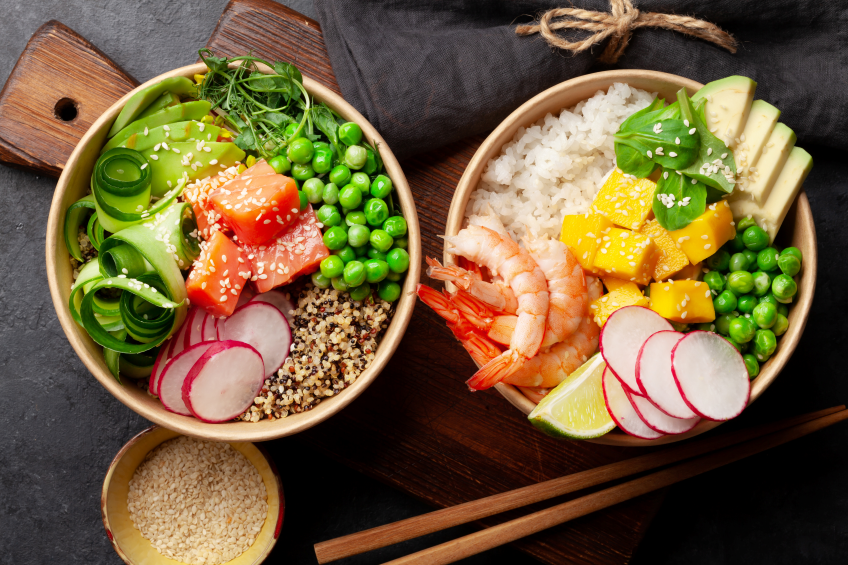

 Poke bowls rely on fresh, crunchy vegetables that add color, texture, and nutrition to the dish.
 Modern poke bowls rely on cucumber, avocado, edamame, and cabbage as core vegetables that provide essential texture, nutrition, and balance to the dish. These ingredients transform poke from a simple fish preparation into a complete meal with varied mouthfeel and health benefits.
 Vegetarian poke bowls replace raw fish with vegetables and plant-based proteins while maintaining traditional flavors and textures. Common substitutions include shiitake mushrooms, tofu, kimchi, and pickled vegetables that provide umami depth and satisfying texture.
 Poke bowl sauces enhance vegetables by adding salt, acid, heat, and richness that complement their natural flavors and textures. The right sauce balances crisp vegetables with creamy elements or brightens mild greens with tangy citrus notes.
 A well-built poke bowl recipe combines a grain or green base with protein, fresh vegetables, and a balanced sauce. The best poke bowl ingredients work together to create contrast in texture, temperature, and flavor without overwhelming the palate.
 Poke bowls are highly customizable, and vegetables play a key role in adding texture, flavor, and nutrition.


